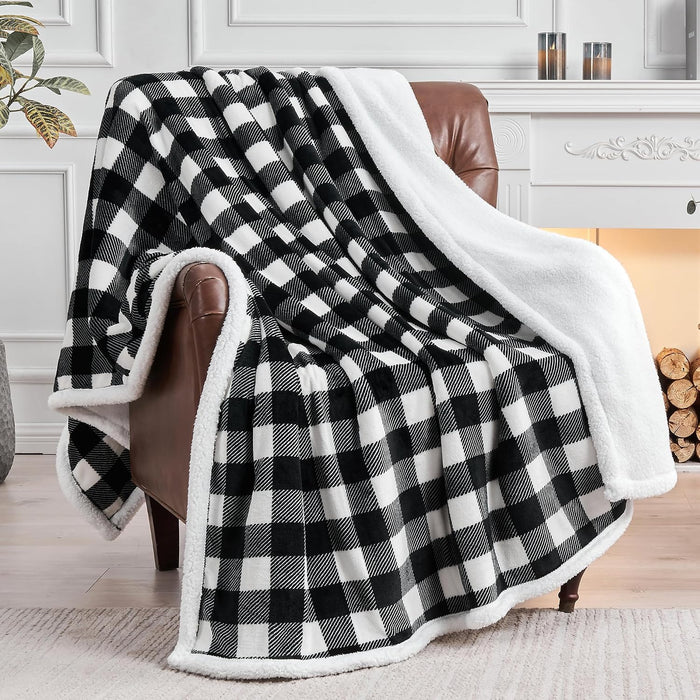
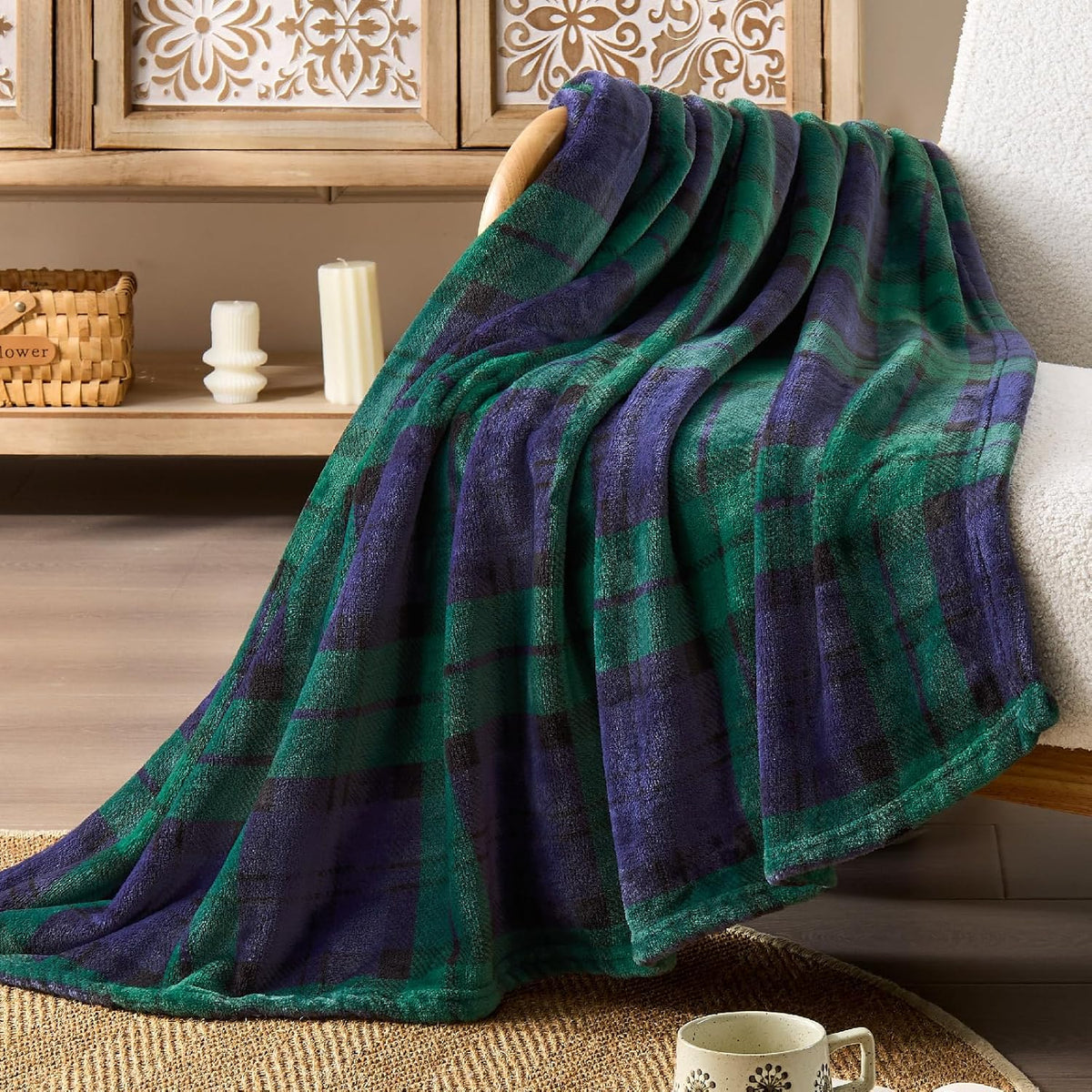
The average throw blanket size is about 50 × 60 inches, which usually works well for one person on a couch, an armchair, or as a decorative layer at the foot of a bed. Choose a 50 × 70-inch or 60 × 80-inch throw when you want full-body coverage, room for two people, or a wider look across a bed. The best fit depends on how you plan to use and display it.
Quick Takeaways
| Use | Useful Starting Size | What to Expect |
|---|---|---|
| Armchair or reading chair | 50 × 60 inches | Covers one lap and drapes easily over an arm or chair back |
| Couch, one person | 50 × 60 inches | Comfortable for sitting or curling up with partial body coverage |
| Full-body solo use | 50 × 70 or 60 × 80 inches | Gives taller sleepers extra room around the feet and shoulders |
| Two people on a couch | 60 × 80 inches or larger | Provides extra width and reduces pulling between two users |
| Foot of a Twin or Full bed | 50 × 60 or 50 × 70 inches | Creates a visible accent and can add warmth over the lower body |
| Foot of a Queen or King bed | 60 × 80 inches or a bed-size blanket | Covers a wider section of the mattress and creates a fuller look |
These are practical starting points because brands use different measurements. Your height, couch depth, bed width, and preferred drape can change the ideal choice.
What Is the Average Throw Blanket Size?
The most common size of a throw blanket is about 50 inches wide by 60 inches long, or 4 feet 2 inches by 5 feet. Many retailers use these measurements for a standard throw, although there is no single required size across every brand.
A 50 × 60-inch throw can cover your lap and legs, wrap around your shoulders, or rest across part of a couch or bed. Most adults will not get complete head-to-toe coverage from this size while lying flat.
A 50 × 70-inch throw adds useful length, while a 60 × 80-inch throw approaches the coverage of many Twin blankets. Always read the dimensions because labels such as standard and oversized can vary.
Choosing a Throw Size for a Couch or Armchair
Furniture size matters, yet the way you use the throw matters just as much. A blanket chosen for decoration can be smaller than one used every evening for naps or movie nights.
For an Armchair or Reading Chair
A 50 × 60-inch throw is usually generous for an armchair. It can cover one person from the waist down and still fold neatly across the back or one arm when it is not in use. On a compact chair, folding the blanket lengthwise keeps it from pooling on the floor.
For a recliner, consider 50 × 70 inches for shoulder-to-foot coverage. Keep extra fabric clear of moving footrests and chair mechanisms.
For a Sofa or Sectional
A standard 50 × 60-inch throw works well for one person on most sofas. It can also sit over a corner, arm, or back cushion as an accent.
Choose 60 × 80 inches or larger for two people, a deep sectional, or frequent naps. Extra width gives each person room to adjust the blanket without uncovering the other. If the throw will stay on one end of a large sectional, a standard size may still look balanced and remain easier to wash and store.
Measure only the couch sections the blanket will cross. This helps you avoid a small-looking accent or an oversized blanket that crowds the seat.

Choosing a Throw Size for the Foot of a Bed
A throw at the foot of a bed can add color, texture, and warmth around the legs. Its best size depends on the bed width and the finished look you want.
For a Folded Accent
A 50 × 60-inch throw works across the foot of many Twin, Full, and Queen beds when the 60-inch edge runs from side to side. It can span the top of a Queen mattress, but it will have little or no side drop. On a King bed, it creates a centered accent with uncovered space on both sides.
Folding the blanket into thirds creates a narrow band of color. A loose diagonal fold uses less width and gives the bed a casual appearance.
For Wider Coverage and Side Drape
A 60 × 80-inch throw gives a Queen bed broader coverage. On a King bed, it still works best as a centered layer when the 60-inch side runs across it.
For full mattress coverage or a drop on both sides, look for a Twin, Full, Queen, or King blanket. Compare the mattress width with the standard U.S. mattress dimensions from the Better Sleep Council, then use our complete bedding size guide to check common bedding measurements.
When an Oversized Throw Blanket Makes More Sense
An oversized throw is useful when 50 × 60 inches leaves your feet or shoulders exposed. A 50 × 70-inch size suits many taller users, and a 60 × 80-inch size gives one adult room to stretch out on a sofa.
Extra size also helps two people share, gives children room to pile onto the couch, and leaves space for a pet. It reduces tugging and follows deep cushions more easily.
There are tradeoffs. A large plush throw takes up extra washer and dryer space, feels heavier when folded, and may slide toward the floor on compact furniture. Compare the size with your machine capacity and storage space, especially if you plan to wash it often.
On a bed, an oversized throw covers the lower body and a larger area of the mattress. Choose a bed-size blanket for overnight coverage and an even drop on both sides.
How Fabric Weight and Drape Affect Coverage
Two throws with the same dimensions can cover a couch or person differently. Thick fleece, faux fur, and lofty sherpa build volume in folds, so they may feel slightly smaller during use. Their weight can also help them stay in place across the foot of a bed.
Lightweight muslin and thin woven throws spread easily and follow the shape of furniture. Loose or chunky weaves can stretch, shift, or snag around pet claws and rough hardware.
Drape affects the finished look. Fluid fabric falls closely over an edge, while structured fabric holds a fuller fold. Check if fringe is included in the listed length.
Fabric weight also changes warmth. A compact plush throw may feel warmer than a larger lightweight one. When comparing the available throw and bed blanket sizes, consider material, weight, dimensions, and care instructions together.
Lay the throw flat, measure it, and test it in its planned position before removing tags or washing it.
Measure the Space and Match the Throw to Its Use
Measure the part of the couch or bed you want to cover, then decide if the throw will be used for decoration, personal warmth, or sharing. Check the actual dimensions, fabric weight, and care instructions before ordering. A throw that matches both the space and its daily use will look balanced, feel comfortable, and remain easy to wash and store.
FAQs about Throw Blanket Sizes and Uses
Q1. What Is a Good Size Throw Blanket for a Couch?
A 50 × 60-inch throw works well for one person and most standard couches. Choose 60 × 80 inches or larger for a deep sectional, full-body naps, or two people sharing the blanket.
Q2. Is a 50 × 60 Blanket Large Enough for a Bed?
It is large enough for a decorative layer at the foot of many beds or for covering one person’s legs. It will not cover an entire Queen or King mattress with side drape, so use a bed-size blanket when full coverage is the goal.
Q3. What Is the Difference Between a Throw and a Bed Blanket?
A throw is a smaller, flexible blanket commonly used on a couch, chair, or part of a bed. A bed blanket is sized to cover a specific mattress and usually provides broader overnight coverage.
Q4. What Size Throw Blanket Works for Two People?
A 60 × 80-inch throw is a useful starting point for two people sitting together. Larger users, deep couches, and households that prefer extra room may be more comfortable with an even wider blanket.
Q5. Should a Throw Blanket Cover the Entire Couch?
No. A throw can cover one seat, one arm, or a corner of the couch and still look balanced. Choose a furniture cover or a much larger blanket if you want to protect the full seating surface.
Q6. How Much Should a Throw Hang Over the Foot of a Bed?
There is no required drop for a decorative throw. A centered throw can stay on top of the mattress, while a wider style can hang several inches over each side. Measure the mattress width and subtract it from the blanket width to estimate the total side drop.