

Can You Put a Comforter Inside a Duvet Cover?
A comforter fits inside a duvet cover when sizes, thickness and corner ties align. Measure both layers, use the inside-out method, and fix bunching.

Welcome to the Ultimate Bedding Resource. We put every fabric through 50+ wash cycles to test for cooling, long-term comfort, and structural durability. Below are our honest, data-driven guides to help you find the best bedding for your sleep style.
A comforter fits inside a duvet cover when sizes, thickness and corner ties align. Measure both layers, use the inside-out method, and fix bunching.
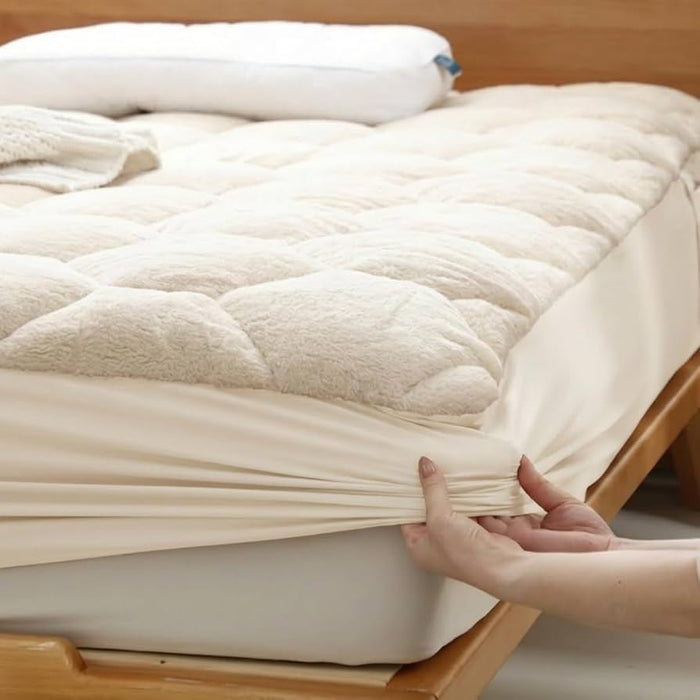
Measure the mattress, topper, and protector as one stack, then compare total depth with a deep-pocket Twin XL fitted sheet's supported range before ordering.
Two or three sheet sets per bed, a wash-and-replace cycle, and storage tips like folding sets into a pillowcase keep laundry day manageable.
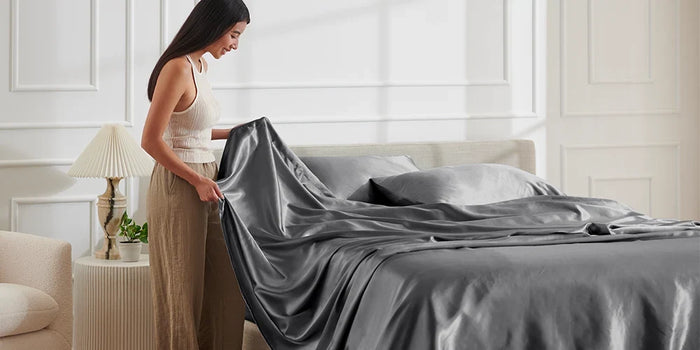
Silk names a fiber while satin names a weave, so polyester satin is not silk. The comparison covers fiber labels, feel, warmth, moisture, snag risk, care.

Pretreat sweat and body oil stains before washing, match cleaners to cotton, flannel, or bamboo viscose, and inspect sheets before drying to stop set-in marks.

Thread count counts warp and weft yarns per square inch, yet four-digit labels often multiply plies. Fiber, weave, weight and finishing decide softness.

A fitted sheet slips when its pocket is too shallow, the elastic weakens, or a topper shifts. Measure the full setup and refit opposite corners first.

Nighttime room temperature, heating schedules, and humidity decide when winter sheets make sense. Flannel, fleece, and regular options are compared.

Lint on bed sheets is usually loose fiber or debris transferred during washing and drying, while pilling consists of small fiber balls anchored to the fabric. The right fix depends on which one you see: lift off lint gently, remove pills with care, and reduce both problems by separating rough, lint-producing items from sheets and following the sheet’s care label.

A standard Twin XL mattress is about 38 inches wide by 80 inches long. Twin XL sheet measurements account for that extra length, so a properly sized fitted sheet stays secure without overstretching. Twin and Twin XL flat sheets may sometimes overlap in size, but their fitted sheets should not be treated as interchangeable.

Fitted sheets wrap securely around the mattress, while flat sheets lie between the sleeper and the comforter, duvet, or blanket. A fitted sheet creates a smooth sleeping surface, and a flat sheet adds flexible coverage while helping protect upper bedding. Your bed-making routine, room temperature, laundry habits, and mattress size determine how the two work best together.

The best bed sheets for hot sleepers combine breathable construction, a suitable fabric weight, and moisture control. Fiber affects how the fabric absorbs perspiration and feels against the skin, while weave and weight affect airflow and drape. A sheet may feel cool when you first lie down yet become warm or damp later. Comparing all four qualities helps you find...

Standard queen size bed fitted sheet measurements begin with a 60-inch-wide by 80-inch-long sleeping surface. Pocket depth supplies the third measurement and determines whether the sheet can cover the mattress sides and grip underneath. Before buying, measure the mattress with every topper, pad, and protector that will remain beneath the sheet. This quick check can prevent loose fabric, exposed sides,...

Cooling depends on two linked factors: fiber affects how a sheet feels and handles perspiration, while weave controls airflow and how closely the fabric rests against the body. Bamboo cooling sheets pair a silky surface with useful moisture handling, while cotton can feel crisp or smooth depending on its weave. Looking at both details helps you find sheets that match...

Tossing and turning from night sweats? Find the best affordable alternative to a Mulberry Silk Pillowcase. Our honest review covers breathable, moisture-wicking pillowcases for hot sleepers this summer.

We tested BEDELITE's 300GSM striped fleece throw — double-sided microfiber, lightweight, breathable, and built for couch, bed, and travel. Full review.


