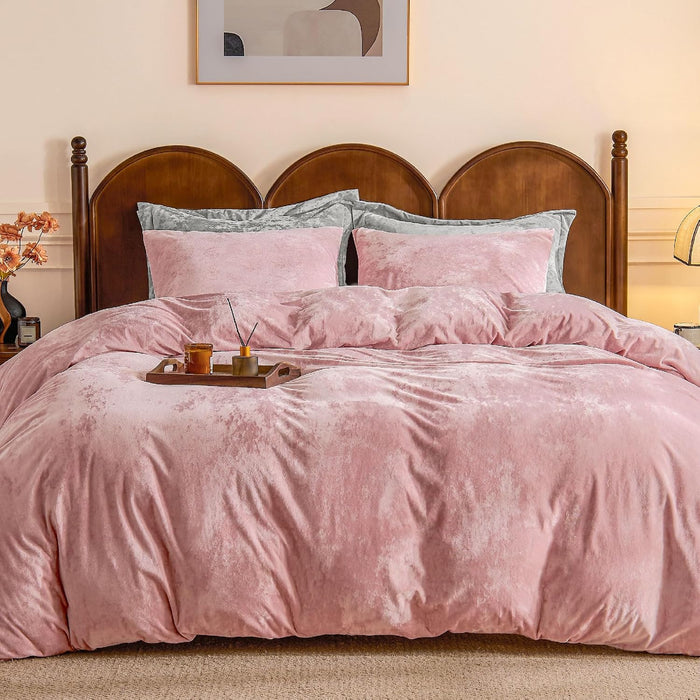
Switch to winter bed sheets when your bedroom stays noticeably cooler at night and your regular sheets no longer feel comfortable after you settle in. Avoid changing them on a fixed date. During a mild or unpredictable fall, wait for the same cold pattern to last several nights, then adjust one layer at a time so you can add warmth without waking hot.
Key Takeaways
- Switch to winter bed sheets when your bedroom stays cooler for several nights and regular sheets no longer feel warm enough.
- Use nighttime room temperature, heating habits, humidity, and personal comfort as your guide instead of a fixed date.
- Start by adding a removable blanket. Change to flannel or fleece sheets only if the bed still feels cold.
- Choose fleece for stronger warmth and flannel for a warmer feel with less heat retention.
- If you wake up hot or sweaty, reduce the upper layers before switching back to lighter sheets.
Why the Calendar Alone Cannot Tell You When to Change Sheets
The start of fall does not produce the same bedroom conditions in every home. Outdoor temperatures, insulation, window drafts, heating schedules, mattress materials, sleepwear, and upper bedding can all change how cold the bed feels.
Seasonal weather also varies from year to year. For late 2026, the NOAA seasonal outlook covers October through December and is updated monthly, while the September Copernicus seasonal forecast favors mild winter conditions across most European land areas. These broad forecasts cannot predict the temperature inside a specific bedroom, but they show why changing sheets on the same date every year may be too early.
Pay attention to the bedroom after sunset and before sunrise. If warm afternoons continue but nights remain mild, installing heavy fleece sheets may make the first half of the night uncomfortable.
A simple room thermometer can give you more useful information than the calendar. Track the nighttime temperature, whether the heat was running, and whether you woke feeling cold, comfortable, hot, or damp for several nights.

Signs That Your Current Sheets Are No Longer Warm Enough
A cooler bedroom does not automatically mean you need winter sheets. Look for repeated comfort problems that continue after you have adjusted lighter layers.
The Bed Stays Cold After You Settle In
Most smooth sheets feel cool for a few moments when you first get into bed. A seasonal change becomes more likely when the sleeping surface still feels uncomfortably cold after your body has had time to warm it.
Cold feet alone may be solved with socks or an extra layer at the foot of the bed. If your back, legs, and shoulders also remain cold, a warmer fitted sheet may make a greater difference.
You Keep Adding Heavy Upper Layers
A blanket or light comforter is usually the easiest first adjustment because it can be folded back during the night. If you keep adding heavier covers while the sheet beneath you still feels cold, the sleeping surface may need more insulation.
Changing to flannel or adding a fleece fitted sheet can warm the area in direct contact with your body. This may be more effective than continuing to pile weight above you.
You Wake Cold Before Morning
Bedrooms often reach their lowest temperature shortly before sunrise, especially when the heating system turns down or switches off overnight. Waking with cold legs, shoulders, or feet on several mornings is a stronger signal than feeling chilly at bedtime once.
Check whether the problem disappears when the heat remains on. If it does, your heating schedule may be the main cause, while warmer sheets provide another way to maintain comfort without changing the whole room setting.
Flannel, Fleece, and Regular Sheets in Transitional Weather
The right material depends on how much extra warmth you need and how quickly your bedroom temperature changes. The comparison below shows how each option fits into a gradual seasonal transition.
| Sheet Type | First-Contact Feel | Relative Warmth | Best Timing |
|---|---|---|---|
| Regular woven sheets | Smooth and initially cool | Light | Mild nights or heated bedrooms |
| Cotton flannel | Soft with a brushed surface | Moderate | Cool transitional weather |
| Polar or microfleece | Plush and warm on contact | High | Consistently cold rooms or sleepers who run cold |
Regular woven sheets remain useful when outdoor temperatures drop but the bedroom stays comfortable. They also make it easier to remove warmth by folding back a blanket during an unexpectedly mild night.
Flannel has a raised surface that holds a small layer of warm air near the body. It often works well between lightweight sheets and fleece because it reduces the cold first-touch sensation without feeling as heavily insulated.
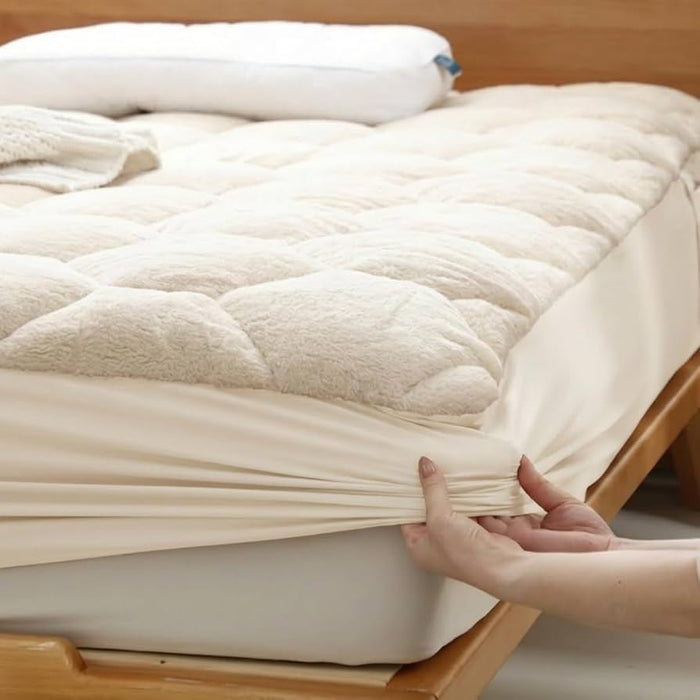
Polar fleece sheets are generally made from brushed polyester fabric. Their plush surface warms quickly and holds more body heat, making them better suited to consistently cold conditions than occasional cool nights.
A mixed setup can make the transition easier. Use a fleece fitted sheet with a regular flat sheet and removable blanket when you want a warmer sleeping surface without surrounding the body in fleece.
When shopping for Queen fleece sheets, confirm both the mattress dimensions and the fitted-sheet pocket depth. Mattress pads and toppers add to the required depth, so compare the assembled bed with our bedding size guide before ordering.
How Bedroom Heating and Humidity Affect the Decision
Heating schedules can make the same sheets feel different from one night to the next. A bedroom that feels cold at bedtime may become much warmer once the furnace starts, while a room with nighttime temperature setbacks may continue cooling until morning.
Before changing the sheets, record when the heating turns on and off. If you wake hot soon after the system starts, a full fleece set may add too much warmth even though the bed initially felt cold.
Humidity also affects comfort. A cool, damp bedroom can make smooth fabric feel chilly or clammy, while perspiration may feel trapped when thick fleece is combined with heavy upper bedding.
Heated indoor air is often drier, which can make the same room feel different after the heating season begins. Allow a few nights for the indoor environment to stabilize before deciding whether you need flannel, fleece, or only an extra blanket.
Personal temperature preference still matters most. One sleeper may want fleece in a room where another remains comfortable with regular sheets, especially when they use different sleepwear or share a bed with separate blankets.
A Layer-First Approach That Helps Prevent Overheating
Changing the entire bed at once makes it difficult to identify which layer added too much warmth. A gradual approach lets you respond to cooler nights while keeping the setup flexible.
Start With a Removable Top Layer
Add a light blanket or throw above your regular sheets first. It can be folded down or removed during a warm spell without requiring you to remake the bed.
If this keeps you comfortable throughout the night, there is no immediate need to change the sheets. Continue monitoring the coldest part of the night rather than the outdoor afternoon temperature.

Change the Sleeping Surface Next
If the mattress-facing surface remains cold, switch the fitted sheet before replacing every piece. A flannel or fleece fitted sheet warms the area beneath the body while your regular flat sheet keeps the upper layers lighter.
This hybrid setup is especially useful during a warm fall with occasional cold nights. It also suits couples when one person wants a warmer surface but both sleepers prefer adjustable upper bedding.
Move to a Full Winter Set Last
Use a complete flannel or fleece set when the bedroom remains cold for several nights and lighter adjustments no longer provide enough warmth. Before committing, consider whether the heating schedule is about to change because that may raise the overnight room temperature.
Reverse one step if you begin waking hot, damp, or uncomfortable. Remove a blanket or return to a lighter flat sheet before replacing the fitted sheet that provides the warm sleeping surface.
Change the Bed When the Nighttime Pattern Changes
The right time to use winter bed sheets is when several nights of bedroom conditions and body signals show that lighter bedding is no longer enough. Start with a removable blanket, move to a warmer fitted sheet, and use a complete fleece or flannel set only when the cold becomes consistent. Check our sheet set collection to compare materials and build a setup that matches your room and sleep preferences.
FAQs about Winter Bed Sheets
Q1. Are Fleece Sheets Warmer Than Flannel Sheets?
Fleece sheets generally provide stronger insulation and feel warmer immediately because of their plush synthetic surface. Flannel offers moderate warmth and may suit transitional weather or sleepers who find a full fleece set too warm.
Q2. Can Fleece Sheets Become Too Warm?
Yes, fleece sheets can feel too warm in a heated bedroom or during changeable fall weather. Start with a fleece fitted sheet or lighter upper bedding if you want warmth beneath the body without insulating every side.
Q3. Can I Use a Fleece Fitted Sheet With a Regular Flat Sheet?
Yes. Combining a fleece fitted sheet with a regular flat sheet creates a flexible transitional setup. The fitted sheet reduces the cold feeling beneath you, while the lighter flat sheet makes it easier to release warmth.
Q4. Do Queen Fleece Sheets Fit Every Queen Mattress?
Queen sheets usually match the standard mattress surface, but fitted-sheet pocket depths vary. Measure the mattress together with any topper, pad, or protector and choose a pocket deep enough to cover the assembled height securely.
Q5. How Often Should I Change My Bed Sheets in Winter?
Wash or replace the sheets about every one to two weeks as a practical baseline. Wash them more often if you perspire heavily, share the bed with pets, or spend additional time in bed, and always follow the fabric’s care label.