Yes, a lightweight comforter can keep you warm in winter when its fill holds enough air, the bedroom stays moderately heated, and the bedding matches how warm or cold you sleep. Physical weight alone does not show insulation. Fill, loft, construction, room temperature, and added layers shape overnight warmth.
Quick Takeaways
- A light comforter can still feel warm when the fill creates steady loft and holds warm air.
- Heated bedrooms and warm sleepers often need less insulation than cold rooms and cold sleepers.
- An all season comforter can work through winter with an adjustable blanket or throw.
- Repeated cold feet, tense muscles, or early-morning chills suggest that the full bedding setup needs more warmth.
What Determines Comforter Warmth Beyond Weight
A cozy comforter does not need to press heavily on the body. Warmth comes from air held within the fill and from how evenly the insulation covers the sleeper. The shell, stitching, and coverage also affect heat loss.
Fill Material and Fill Amount
Comforters may use down, feathers, polyester down alternative, cotton, wool, or blended fills. Two comforters with the same total weight can provide different warmth because their fill may create different amounts of loft.
Fill amount tells you how much insulation is inside. More fill often increases warmth within the same product family. Compare fill weight or GSM only when the comforters use similar materials, sizes, and construction.
Loft and Fill Power
Loft is the height and fullness of the comforter after the fill expands. It holds small pockets of air that slow the movement of body heat into the room. A thin-looking comforter may still insulate well when its fill expands efficiently.
Fill power is mainly used for down and feather products. IDFL calculates a down comforter's warmth from fill power and fill weight, showing why both measurements matter. Synthetic down-alternative comforters use different fibers, so a down fill-power number does not apply to them.
Stitching, Shell, and Coverage
Box stitching, channel stitching, and baffle construction help keep fill spread across the bed. Shifted fill can create cold spots, so check that it reaches the edges and returns to shape after shaking.
The shell affects airflow and feel. Size matters too because a comforter that reaches past both sides of the mattress reduces gaps when you turn or share the bed.
How Bedroom Temperature and Sleep Style Change the Answer
The same lightweight comforter can feel comfortable in one bedroom and too cool in another. Heating schedules, insulation, drafts, humidity, and the mattress all affect overnight warmth.
The CDC advises using a cool room with enough covers to stay comfortable and recognizes that temperature preferences differ. Note the room temperature at bedtime and near sunrise for several nights.
Warm sleepers may prefer a light top layer during winter because a heavy comforter causes heat buildup. Cold sleepers and people in drafty rooms often need extra insulation. Sleepwear, the mattress, a partner, or a pet can also change how warm the bed feels.
Pay attention to how the bed feels after several hours. Humidity and a lower early-morning temperature can change comfort even when the bed felt warm at bedtime.
When a Lightweight Comforter Can Work in Winter
A lightweight comforter works well when the bedroom temperature stays fairly stable and you prefer less weight. The table connects common winter situations with a practical setup.
| Winter Situation | Can a Lightweight Comforter Work? | Helpful Adjustment |
|---|---|---|
| Heated room with a stable overnight temperature | Often yes | Use it alone or with regular sheets |
| Warm sleeper in a cool room | Often yes | Keep a light throw nearby |
| Room cools sharply before morning | Possibly | Add a blanket that can be pulled up later |
| Cold sleeper with cold feet | Possibly | Add a foot throw or warmer sheets |
| Drafty or minimally heated bedroom | May need support | Add a larger insulating layer or use a warmer comforter |
| Two sleepers with different preferences | Often yes | Give the colder sleeper a separate blanket |
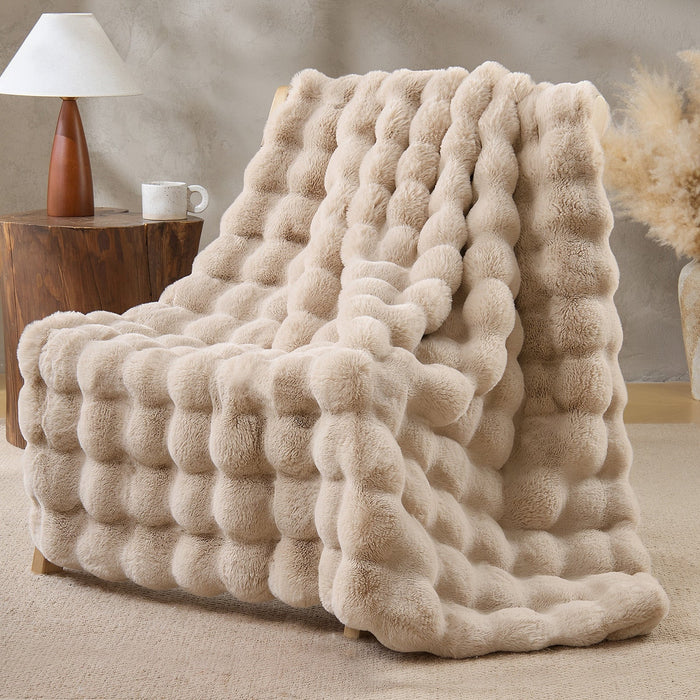
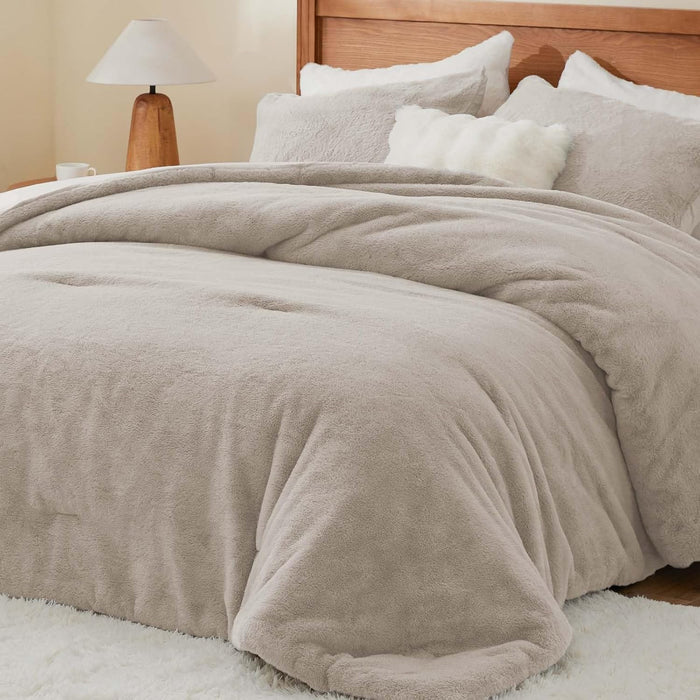
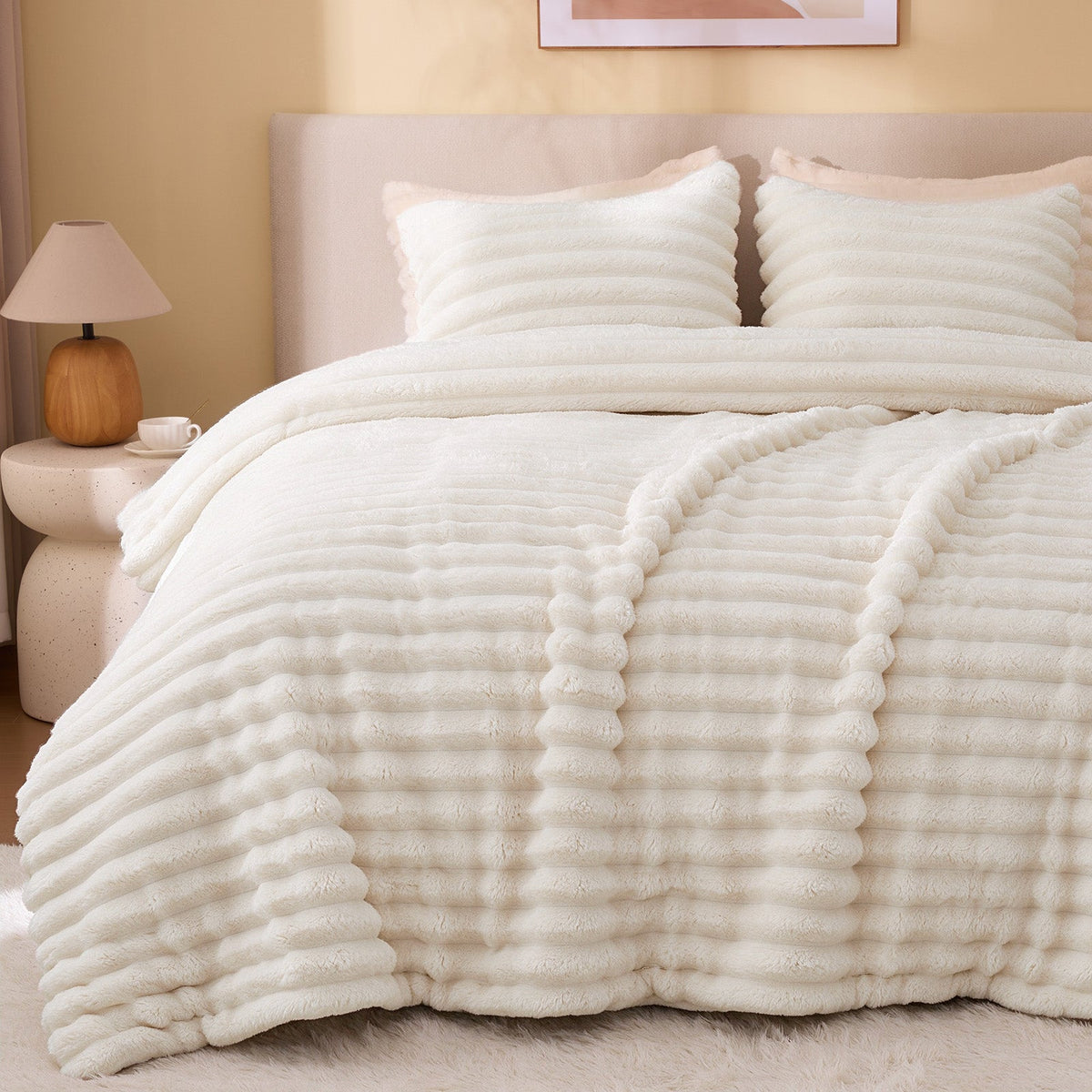
An all season comforter usually sits between a summer-light and winter-heavy model. It can be a practical base in heated homes because removable layers handle colder nights. Brands may define warmth levels differently, so check the specifications. Before buying, check the fill, stitching, shell, finished size, and stated warmth level. Our comforter set collection includes lightweight all-season designs along with plush fleece and Sherpa options for a warmer surface.

How to Layer a Lightweight Comforter on Colder Nights
Layering adjusts warmth as the weather changes. Use pieces that can be moved separately, so you can warm the feet, torso, or whole bed without trapping too much heat.
Add Warmth Where You Feel It
Place a throw across the lower third of the bed when cold feet are the main problem. For full-body warmth, use a bed-size blanket beneath or above the comforter with enough fabric at the sides to stay in place.
A smooth blanket under the comforter stays close to the body, while a plush throw on top is easy to remove. Avoid stacking several heavy pieces at once if you tend to wake hot.
Adjust the Base Layers
Flannel or fleece sheets make the bed feel warmer at first contact, while regular sheets may suit warm sleepers. Use nighttime temperature and repeated comfort signals to decide when warmer winter sheets make sense. Close drafts, spread the comforter evenly, and make sure the sides cover both sleepers. If a partner runs hotter, separate throws let each person adjust one side of the bed.
Signs That the Current Bedding Setup Is Not Warm Enough
One cool moment after getting into bed does not always require a heavier comforter. Look for problems that continue across several nights.
- Your feet or shoulders remain cold after 15 to 20 minutes.
- You curl tightly, tense your muscles, or keep waking to pull the comforter closer.
- You add several layers every night and still feel cold before morning.
- The comforter shifts and leaves gaps along the sides or between two sleepers.
- The fill looks flat, uneven, or thin in areas that used to feel lofty.
- You sleep comfortably at bedtime but wake cold after the heating system lowers the room temperature.
Shake the comforter and redistribute the fill. If cold spots remain and removable layers do not help, a warmer comforter may provide a simpler winter setup.
Build Adjustable Winter Warmth
A lightweight comforter can serve as a comfortable winter layer when its fill holds air well, the room stays moderately heated, and the sleeper does not need intense insulation. Pair it with one removable blanket or throw for colder nights. This creates a flexible bed that can respond to changing weather and different sleep preferences without adding unnecessary bulk every night.
FAQs about Lightweight Comforter Winter Warmth
Q1. Is a Lightweight Comforter Warm Enough for Winter?
It can be warm enough in a heated bedroom, especially for someone who sleeps warm. Fill, loft, construction, room temperature, and body coverage all affect the result. Cold sleepers and unheated rooms may need another blanket or a warmer comforter.
Q2. What Is the Difference Between a Lightweight and an All-Season Comforter?
A lightweight comforter generally uses less insulation and suits warm rooms or warm sleepers. An all-season comforter usually provides a middle level of warmth for a wider range of temperatures. The terms are not standardized, so compare the fill and construction details.
Q3. What Comforter Fill Is Best for Winter?
Down, down alternative, wool, cotton, and blended fills can all work in winter when the construction provides enough insulation. Down can create high loft with less weight, while synthetic fill offers practical warmth and easy-care options. Choose according to the room, sleep temperature, care routine, and product label.
Q4. Should a Blanket Go Under or Over a Comforter?
Either position can work. A blanket underneath stays closer to the body, while a blanket on top is easier to remove during the night. Use the order that gives you comfortable texture and simple temperature control.
Q5. How Can You Make a Lightweight Comforter Warmer?
Add one removable blanket, use warmer sheets or sleepwear, cover drafts, and keep the comforter evenly spread across the bed. Place a throw over the feet if that is the only cold area. If several adjustments still leave you cold, move to a warmer comforter for winter.