Quick Takeaways
| Bed or Household Situation | Practical Starting Point | Why It Helps |
|---|---|---|
| Everyday bed with same-day laundry | 2 sheet sets | One can go on the bed while the other is washed |
| Laundry takes several days | 3 sheet sets | A clean backup remains available while another set is waiting |
| Children, pets, or frequent night sweating | 3 sheet sets | Extra bedding makes unexpected changes easier |
| Rarely used guest bed | 1 dedicated set plus access to a compatible spare | The bed stays ready without filling the closet |
| Frequently used guest bed | 2 dedicated sets | One set can be changed immediately after a guest leaves |
| Warm and cold seasons | 2 regular sets plus 1 seasonal set when needed | Seasonal fabric adds comfort without replacing the everyday rotation |
Two sets cover the basic wash-and-replace cycle. Three sets provide more flexibility when laundry cannot be finished immediately or a bed needs an unplanned change.
Why One Sheet Set per Bed Often Falls Short
One sheet set can work if you wash, dry, and remake the bed on the same day. This schedule leaves little room for delays. A busy washer, wet weather, a slow dryer, or a forgotten load can leave the bed without clean sheets at night.
A second set separates changing the bed from finishing the laundry. You can remove the used sheets, make the bed immediately, and wash the old set when the machine is free. This simple change can make weekly bedding care feel much easier.
An extra set also helps when sheets become wet, stained, or uncomfortable during the night. Parents, pet owners, and people who sweat heavily may need a clean replacement before the next planned laundry day. In these homes, the third set serves a clear purpose instead of sitting unused in the closet.
A Practical Sheet Rotation for Everyday and Guest Beds
Count sheet sets by bed rather than by person. A couple sharing one Queen bed needs a rotation for that bed, while two children in separate Twin beds each need bedding that fits their own mattress.
The Two-Set Rotation
A two-set rotation follows a simple cycle:
- Put Set A on the bed.
- Keep Set B clean and ready.
- Replace Set A with Set B on laundry day.
- Wash, dry, and store Set A for the next change.
This system works well for adults who follow a steady laundry schedule and can finish bedding within a day or two. It also limits closet clutter because every set stays in regular use.
When buying a Queen-size bed sheet set for this rotation, check the fitted-sheet pocket depth and the number of included pieces. Two packages labeled Queen can contain different combinations of fitted sheets, flat sheets, and pillowcases.
The Three-Set Rotation
A third set adds a buffer. Set A stays on the bed, Set B remains clean in storage, and Set C may be in the hamper, washer, dryer, or folding basket.
This rotation is useful when the household has limited laundry time or several beds competing for the same machines. It also allows sheets to dry fully before storage, which is helpful for families that air-dry bedding.
A king-size sheet set takes up more washer and dryer space than a smaller set. If your machine handles one King set at a time, three sets can reduce the pressure to wash and dry everything immediately.

A Guest-Bed Rotation
A guest bed used only a few times a year may need one dedicated set and access to a compatible spare. Wash the dedicated set after each stay, dry it completely, and store it with the matching pillowcases.
A frequently used guest room works better with two dedicated sets. The bed can be remade soon after one guest leaves, even when the used bedding must wait for the next laundry load.
How Laundry Frequency, Children, Pets, and Night Sweating Change the Number
The American Cleaning Institute recommends washing bed sheets at least every two weeks and more often when someone sweats heavily at night. A household that changes sheets weekly will move through its rotation faster than one washing lightly used guest sheets after each stay. Review the institute’s sheet-washing guidance when setting your schedule.
Laundry Frequency and Drying Time
Two sets may be enough when you wash bedding on a fixed day and have dependable access to a dryer. Three sets provide more freedom when you use a shared laundry room, visit a laundromat, or air-dry large items.
Think about the full process from stripping the bed to returning the folded set to storage. If that process often takes more than two days, an additional set may prevent rushed loads and damp storage.
Children and Pets
Young children may spill drinks, become sick, or have nighttime accidents. Pets can bring hair, dirt, and moisture onto the bed. These situations make three washable sets useful for the beds affected.
An extra fitted sheet and mattress protector can also help when the top sheet rarely needs replacement. Buy the pieces your household uses instead of adding complete sets that contain unwanted items.
Night Sweating and Skin Products
Heavy perspiration can make sheets feel damp or stale sooner. Body oils, lotions, and hair products may also build up on pillowcases and the upper part of the fitted sheet.
Keep enough sets to support the washing schedule that feels comfortable for the sleeper. Extra pillowcases can extend the rotation when they need changing more often than the rest of the bedding.
When Seasonal Sheets Should Count as Separate Sets
Seasonal sheets count as additional sets when they serve a different purpose. Fleece or flannel may provide extra warmth during cold weather, while lightweight sheets may feel more comfortable during warm months.
A household might keep two regular sets for most of the year and add one warm set for winter. When the cold-weather set is on the bed, one regular set can remain available for an unexpectedly warm night or a delayed wash.
Climate and home heating affect how useful seasonal bedding will be. A warm home may need little change between seasons, while an older house with cooler bedrooms may benefit from dedicated winter sheets.
Review each seasonal set before storing it. Wash and dry it according to the care label, repair loose seams, and check for stains. Store only the sets you expect to use during the next season.
How to Store and Label Sheets for an Easier Rotation

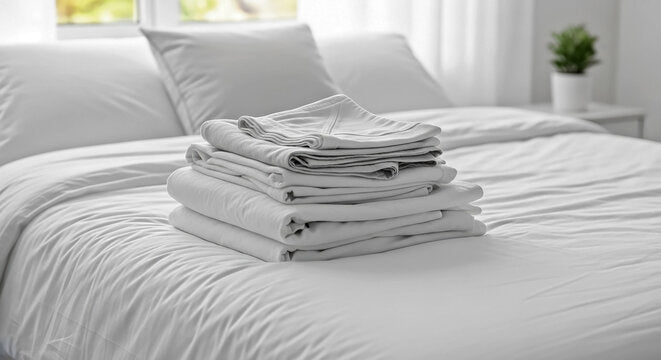
Keep every fitted sheet, flat sheet, and matching pillowcase together. Fold the pieces into a stack and place them inside one pillowcase from the set. This method prevents pillowcases from becoming separated and makes the full set easy to grab.
Label shelves, bins, or fabric bags by size or room. Simple labels such as “Queen Main Bedroom,” “King Guest Room,” or “Twin Kids” prevent similar-looking sheets from reaching the wrong bed.
Store clean sheets in a dry space with airflow. Avoid sealing away fabric that still feels damp because trapped moisture can lead to musty odors. Rotate the sets from front to back so the same one does not receive all the use and washing.
Follow the fabric’s care instructions before placing a set back into rotation. The American Cleaning Institute recommends sorting laundry by color and care requirements, treating stains, and following label directions. Its laundry basics provide a simple order for preparing and washing a load.
For BEDELITE bedding, check the product care instructions because water temperature, wash cycle, and drying method can vary by material. Add a small label to the storage shelf if members of the household often handle laundry for one another.
Build a Rotation Around Your Real Laundry Routine
Start with two sheet sets for an everyday bed and add a third when laundry delays, children, pets, perspiration, or frequent guests make it useful. Count seasonal sets separately when they serve a different comfort need. Keep every set together, label it by bed size, and rotate each one evenly. Explore our current sheet sets to build a practical rotation for Queen, King, Twin, and other bed sizes.
Frequently Asked Questions About The Sheet Set Rotation That Makes
Q1. How Many Sheet Sets Should I Own?
Most everyday beds work well with two or three sets. Two support a simple wash-and-replace routine, while three give you a clean backup during delays or unexpected changes. Beds used by children, pets, or heavy sweaters may benefit most from three.
Q2. Is It Okay to Wash Bed Sheets Every Two Weeks?
Every two weeks can work for some lightly used beds. More frequent washing may be needed when someone sweats heavily, sleeps with pets, is recovering from illness, or notices visible soil and odors.
Q3. Is Once a Month Enough to Wash Sheets?
Once a month is longer than commonly recommended for an everyday bed. Sheets collect perspiration, body oils, skin cells, and other soil during use, so a weekly or every-other-week schedule is more practical for most households.
Q4. How Many Years Should Bedsheets Last?
There is no single replacement age for every sheet set. Replace sheets when the fabric becomes thin, the elastic stops holding, seams open, stains remain after washing, or the surface no longer feels comfortable. Rotating several sets can spread use and washing across them.
Q5. What Are the Different Sizes of Sheet Sets?
Common U.S. sizes include Twin, Twin XL, Full, Queen, King, and California King. The label should also show the fitted-sheet dimensions and pocket depth. Check the included pieces because some sets omit the flat sheet or include a different number of pillowcases.