What Flat and Fitted Sheets Do
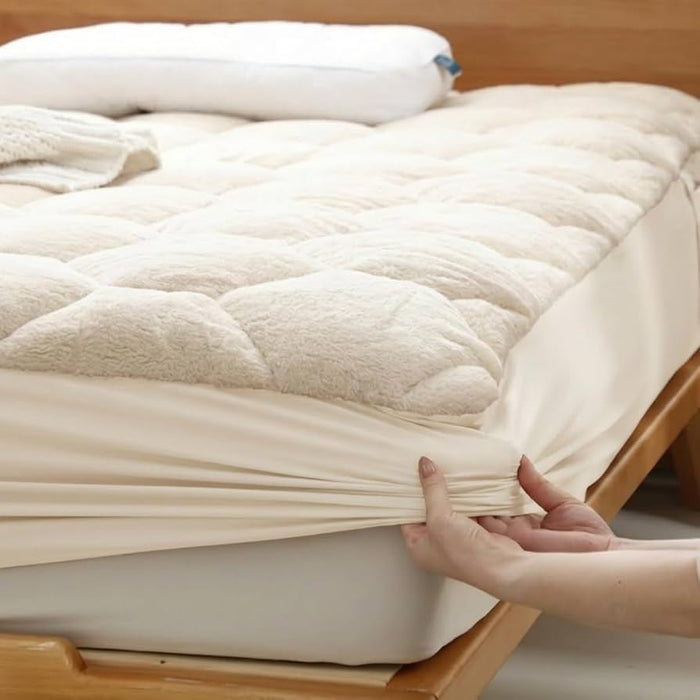
A fitted sheet covers the mattress and creates the main sleeping surface. Its sewn corners form pockets around the mattress, while elastic holds the fabric beneath the edges. This shaped construction helps the sheet remain smooth when you turn or change positions during the night.
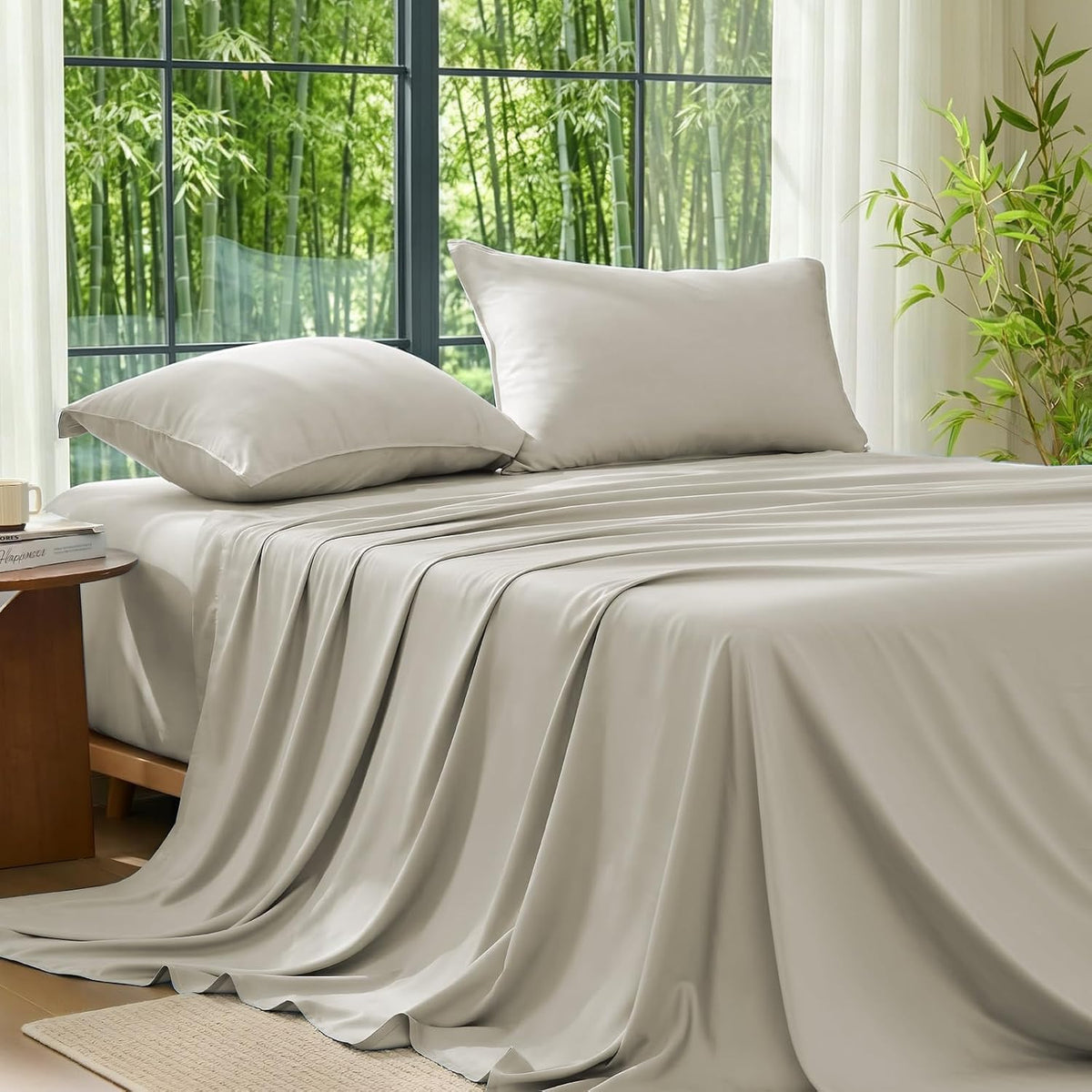
A flat sheet is a large rectangle without elastic or fitted corners. It usually goes over the fitted sheet and over the sleeper, placing it between your body and the comforter, duvet, quilt, or blanket. It is also commonly called a top sheet.
These two sheets serve different functions in the same bed. The fitted sheet provides a secure base, while the flat sheet adds a washable layer that can protect upper bedding, adjust warmth, and create a finished fold at the head of the bed.

The Main Differences Between Flat and Fitted Sheets
When comparing a fitted sheet with a flat sheet, focus on placement, shape, sizing, and how the fabric stays in position.
| Feature | Flat Sheet | Fitted Sheet |
|---|---|---|
| Shape | Large rectangle with finished edges | Shaped corners with elastic |
| Position | Above the sleeper and below the upper bedding | Directly over the mattress |
| Sizing | Larger than the mattress for draping and tucking | Matches the mattress surface and depth |
| How it stays in place | May be tucked beneath the mattress | Elastic grips the mattress edges |
| Main use | Adds a washable layer and flexible coverage | Creates a smooth, secure sleeping surface |
| Folding and storage | Folds into a simple rectangle | Folds by nesting the elastic corners |
Both pieces may come in the same sheet set, but their finished measurements differ because they perform different jobs. A flat sheet needs extra fabric around the mattress, while a fitted sheet needs correctly positioned corners and a suitable pocket depth.
How Sheet Size Changes the Way Each Type Fits
The measurements in our bedding size guide show how fitted sheets follow the mattress surface while flat sheets add extra fabric for draping and tucking.
| Bed Size | Flat Sheet Size | Fitted Sheet Size |
|---|---|---|
| Twin | 66 × 96 inches | 39 × 75 inches with a 14-inch pocket |
| Twin XL | 66 × 100 inches | 39 × 80 inches with a 14-inch pocket |
| Full | 81 × 96 inches | 54 × 75 inches with a 14-inch pocket |
| Queen | 90 × 102 inches | 60 × 80 inches with a 14-inch pocket |
| King | 108 × 102 inches | 78 × 80 inches with a 14-inch pocket |
| California King | 108 × 102 inches | 72 × 84 inches with a 14-inch pocket |
The fitted sheets covered by this size guide are designed for mattresses between 8 and 16 inches deep. Individual collections may use different pocket depths, so check the selected sheet set before ordering, especially if your bed includes a pillow top, mattress pad, or foam topper.
Flat-sheet fit is more flexible because there are no corners to align. The finished width determines the side drop, while the length provides fabric for the foot tuck and the fold at the head of the bed.

Twin Flat Sheet Size
The Twin flat sheet size provides about 14 inches of fabric on each side when centered on a compatible Twin mattress. This creates a balanced drop and leaves enough material for a light tuck.
Twin XL beds require additional length. The separate Twin XL flat sheet keeps more fabric available at the head and foot of the longer mattress.
Full Flat Sheet Size
The Full flat sheet size gives one sleeper more coverage across the wider mattress while maintaining a similar side drop. Couples sharing a Full bed may prefer to leave the sides untucked so each person can adjust the sheet more easily.
Mattress height also affects the final appearance. A taller mattress leaves less fabric below its bottom edge, so measure the depth if you want the flat sheet tucked securely along the sides.
How Flat and Fitted Sheets Work in Everyday Use
The best setup depends on how you make the bed, wash your bedding, and sleep through the night. Both sheets can work together without requiring every sleeper to use them in exactly the same way.
Making and Remaking the Bed
Place the fitted sheet directly over the mattress protector or mattress. Align the corner seams first, pull the pockets over all four corners, and tuck the elastic securely beneath the edges.
Next, center the flat sheet with the finished or patterned side facing down. This orientation allows the visible side to face upward when you fold the top edge over the comforter. You can tuck the foot under the mattress and leave the sides loose, or tuck the foot and lower sides for a more structured bed.
Restless sleepers may feel more comfortable with only the foot of the flat sheet tucked in. This keeps the sheet anchored while leaving more room around the legs.
Laundry and Upper-Bedding Protection
A flat sheet absorbs some of the perspiration and body oils that would otherwise reach a comforter, blanket, or duvet cover. This can be useful when the upper layer is bulky, takes a long time to dry, or requires a larger washing machine.
Wash the fitted and flat sheets together according to their care labels. A practical bedding-cleaning routine is to wash sheets at least every two weeks, or weekly if you sweat heavily at night. The comforter and duvet cover still need regular cleaning, although the flat sheet reduces their direct contact with the body.
Climate and Sleeping Preferences
During warm weather, a flat sheet can serve as the only top layer. It provides light coverage without the added weight of a blanket or comforter. In cooler months, it becomes an extra layer beneath heavier bedding.
The number of layers is only part of the comfort equation. Fiber and fabric construction also affect how sheets feel, so consider the material and weave if you plan to sleep under a flat sheet throughout the year.
Some sleepers prefer direct contact with a duvet cover and enjoy making the bed with fewer pieces. Others like the smooth feel, adjustable coverage, and finished appearance of a flat sheet. Either routine can work when the bedding is washed regularly.
Do You Need Both Types of Sheets?
Using both gives you a secure sleeping surface and a lighter, washable layer above the body. This setup can make it easier to adjust coverage, protect upper bedding, and create a neatly layered bed.
Using both types may suit you if:
- You want a washable layer between your body and the comforter.
- You prefer lighter coverage during warm nights.
- You enjoy a neatly folded, layered bed.
- Your comforter is bulky or inconvenient to wash frequently.
- You share a bed and want a layer that each sleeper can adjust.

If you prefer fewer layers, pair the fitted sheet with a washable duvet cover and clean that cover as regularly as other body-contact bedding. For most everyday beds, a fitted sheet remains the easiest bottom layer because its shaped corners and elastic help it stay securely around the mattress.
Build a Bed Around Your Daily Routine
A fitted sheet creates a secure foundation, while a flat sheet adds flexible coverage and an easily washable layer. Match fitted sheets to the mattress surface and depth, then select flat sheets according to the drop and tuck you prefer. Our sheet set collection includes coordinated options for creating a complete bed without matching each piece separately.
FAQs
Q1. What Is the Point of Flat Sheets?
Flat sheets provide a washable layer between your body and the upper bedding. They can also be used alone on warm nights or added beneath a blanket when you want more coverage.
Q2. Do You Sleep on the Flat Sheet or Fitted Sheet?
You normally sleep on the fitted sheet and beneath the flat sheet. The flat sheet should rest between you and the comforter, duvet, quilt, or blanket.
Q3. Can a Flat Sheet Be Used as a Fitted Sheet?
Yes, a sufficiently large flat sheet can cover the mattress when its edges are tucked securely underneath. Hospital corners help hold it in place, although it may require more daily adjustment than an elasticized fitted sheet.
Q4. What Is the Purpose of Fitted Sheets?
A fitted sheet covers the mattress and creates a smooth sleeping surface. Its shaped corners and elastic help it remain secure as you move during the night.
Q5. What Are Flat Sheets Called?
Flat sheets are also called top sheets because they sit above the fitted sheet and sleeper. Product labels may use either term, but both usually describe the same rectangular piece of bedding.