What Makes Bed Sheets Feel Cool?
Sheets can feel cooler in three ways: they can draw heat from the skin at first contact, allow warm air to move away, and help perspiration spread and evaporate. These effects come from the finished fabric rather than a single fiber name.
The first cool sensation happens when heat moves from your skin into the sheet. Smooth fabrics often feel cooler at first because their surface lets heat move quickly from the skin. As the material warms, airflow and moisture control have a greater effect on comfort.
Breathability describes how easily air passes through the fabric. Moisture absorption describes how much perspiration enters the fibers, while wicking moves moisture away from one damp area. Evaporation then releases that moisture into the air. A sheet may absorb sweat well but still feel damp when the room is humid or air cannot move around the bed.

How Fiber Type Affects Moisture and Airflow?
Fiber influences moisture handling and texture. Airflow also depends on yarn size, weave, and weight, so two sheets made from the same fiber can perform differently.
Cotton
Cotton absorbs moisture and feels familiar to many sleepers. Lightweight cotton percale usually feels crisp and airy, while cotton sateen has a smoother surface and closer drape. A dense cotton sheet can hold more warmth than a lighter version, so construction remains important.
Bamboo Viscose
Bamboo viscose feels smooth, soft, and fluid. It readily absorbs perspiration, which may help sleepers who wake up damp or dislike rough fabric against warm skin.
Most silky sheets marketed as bamboo use regenerated viscose or rayon made from bamboo. The FTC’s bamboo textile guidance explains how these products should be identified, so check the full fiber label when comparing 100% bamboo viscose with blends.
Linen and Performance Fibers
Linen has a textured feel and often allows useful airflow. Some polyester performance fabrics are designed to move sweat across the surface, though dense microfiber may allow less air movement. In both cases, construction changes the result.

Why Weave and Fabric Weight Matter?
Weave controls how yarns cross and how the sheet rests against the body. Weight changes how much fabric surrounds you. Hot sleepers should consider both before focusing on thread count.
Percale Leaves More Space Around the Body
Percale uses a one-over, one-under pattern. Its matte, crisp surface tends to hold its shape instead of wrapping closely around the body. This can leave more room for air to move on warm nights. A sleeper who dislikes sheets gathering around the legs may enjoy percale, while someone who wants a silky drape may prefer lightweight sateen.
Sateen Feels Smoother and Drapes More Closely
Sateen uses longer yarn floats to create a smooth finish and flexible drape. It follows the body more closely than percale, but a light sateen can still feel comfortable in warm conditions.
Comparisons between cotton percale and bamboo viscose sateen combine differences in fiber and weave. Comparing two sateens of similar weight gives a clearer view of fiber differences. Both feel smooth, while bamboo viscose usually feels softer and more fluid.
Weight Can Matter More Than a High Thread Count
Thread count describes how many yarns run through a square inch. Yarn quality, thickness, finishing, and total weight provide the rest of the picture, and a dense fabric may restrict airflow. The University of Kentucky Cooperative Extension explains that sheet comfort comes from the combination of fiber, construction, and thread count. For hot sleepers, a balanced construction is more useful than selecting the largest number on the label.
Cooling Feel vs. Overnight Temperature Comfort
A cool first touch fades as the sheet approaches skin temperature. Overnight comfort then depends on airflow, perspiration control, and evaporation. This explains why some sheets feel impressive at bedtime but less comfortable later.
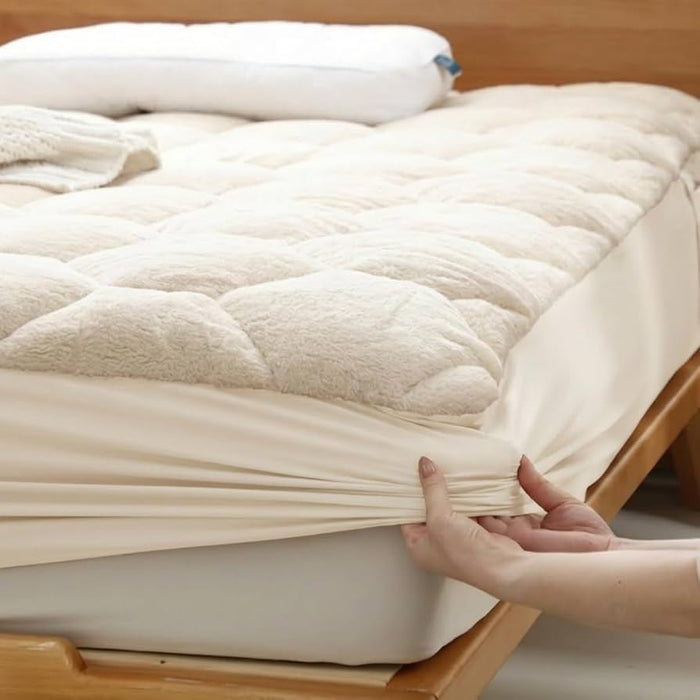
A thick foam topper, waterproof protector, heavy comforter, or warm sleepwear can hold heat around the body. If new sheets do not solve the problem, examine the layers above and below you as well.
Humidity also changes moisture performance. Absorbent sheets can spread perspiration, but humid air slows evaporation. A fan, air conditioner, or dehumidifier may make a larger difference in a muggy bedroom.
One sleeper may feel coolest under crisp fabric that stays away from the legs. Another may prefer softness and moisture absorption. The best sheets for summer match the sleeper’s main discomfort and the room conditions.
What Hot Sleepers Should Compare Before Choosing Sheets
Start with the problem that wakes you, then compare the construction details that address it. The table below connects common hot-sleeper experiences with useful qualities to look for.
| What You Notice at Night | What to Compare | Why It Matters |
|---|---|---|
| You wake up sticky or damp | Absorbent fiber and lightweight construction | Moisture can spread away from one concentrated area of skin |
| You feel warm but rarely sweat | Breathable weave and low fabric weight | Air movement becomes more important than absorption |
| You dislike fabric around your legs | Crisp percale or another structured weave | The sheet tends to rest farther from the body |
| You prefer a smooth, soft surface | Lightweight sateen and a moisture-friendly fiber | You gain a fluid feel without automatically choosing a heavy fabric |
| The room feels humid | Moisture handling plus room airflow | Perspiration evaporates more slowly when the air already holds moisture |
| The sheets feel cool only at bedtime | Airflow, weight, mattress, and top layers | First-touch coolness cannot predict the full night |
Check the fiber percentages, weave, weight or density, and care label together. When comparing sheet materials and textures, consider how the complete fabric matches your body and bedroom instead of relying on one marketing term.
Review the layers already on your bed as well. Many hot sleepers benefit from a lighter combination of breathable sheets, simple sleepwear, and one upper layer suited to the season.

Create a Lighter Bed for Warm Nights
Cooling sheets for hot sleepers should support airflow, handle the moisture you produce, and feel comfortable against your skin. Focus on fiber, weave, and fabric weight, then adjust the mattress cover, sleepwear, upper layers, and room airflow as needed. Explore our cooling bedding collection for lighter textures and layers that can work together through summer and other warm nights.
FAQs
Q1. Do Bamboo Sheets Really Keep You Cooler?
Yes, bamboo viscose sheets can help hot sleepers feel cooler and drier. The fiber absorbs moisture readily, while a lightweight construction allows heat and moisture to move away from the skin. The weave and other bedding layers also affect overnight comfort.
Q2. What Kind of Sheets Should I Get If I Sweat a Lot?
Choose lightweight sheets that absorb moisture and allow it to spread through the fabric. Bamboo viscose works well for this need because it handles perspiration readily and maintains a smooth feel against warm, damp skin.
Q3. What Kind of Bedding Is Good for Hot Sleepers?
Use breathable sheets with lightweight sleepwear and a light blanket or comforter. Bamboo viscose sheets combine a smooth surface with useful moisture handling, while fewer heavy upper layers give body heat more room to escape.
Q4. What Should Hot Sleepers Look for When Buying Sheets?
Compare the fiber, weave, fabric weight, and moisture performance. A lightweight bamboo viscose sheet can provide a cool, smooth first touch and help manage perspiration during the night. Also check the care instructions and fitted-sheet depth before buying.