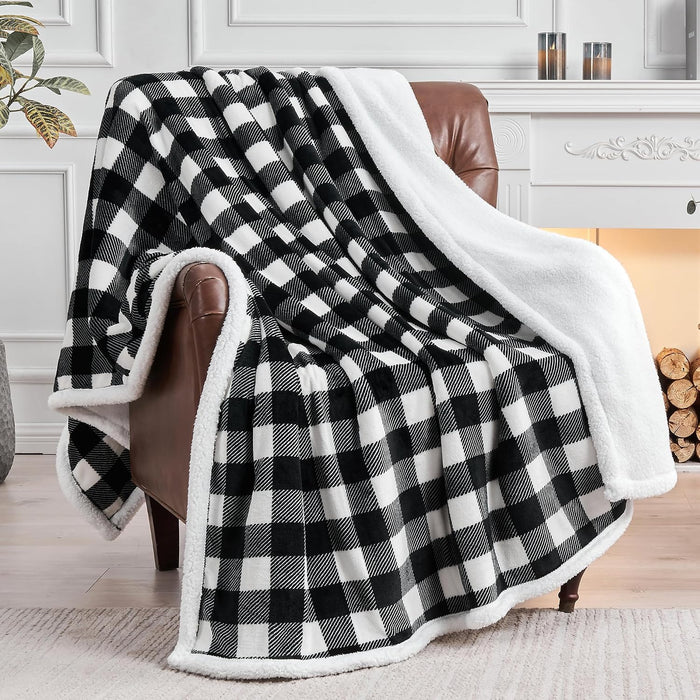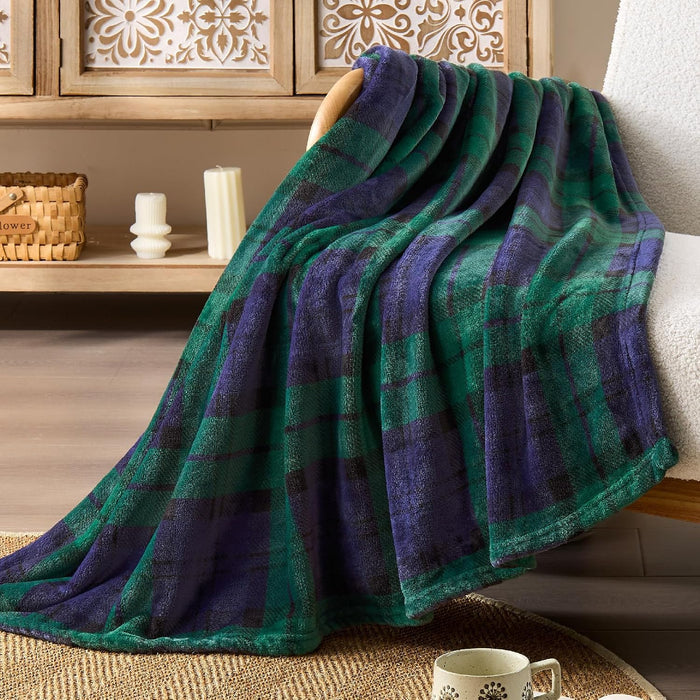
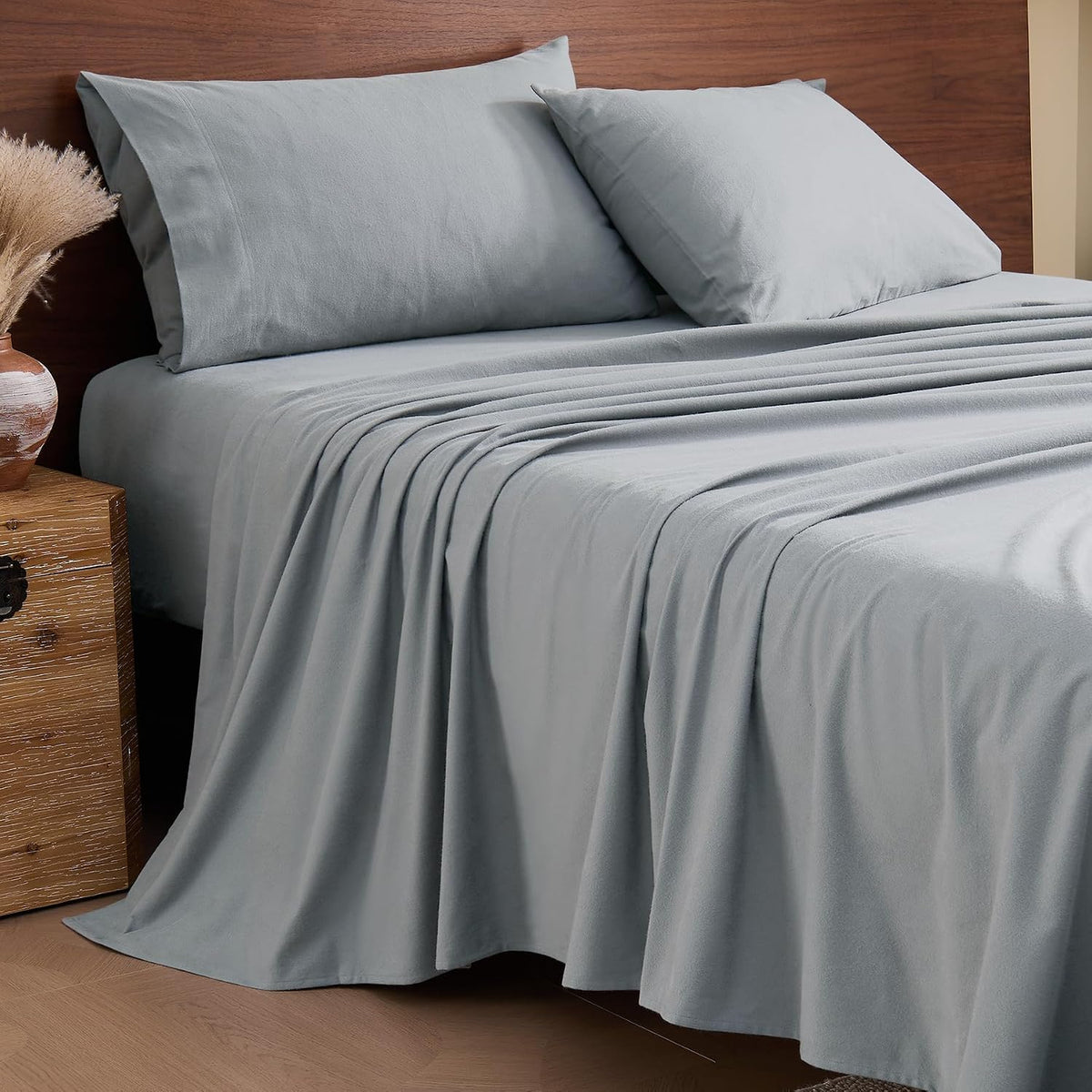
Cotton flannel and polar fleece sheets both use raised fibers to hold warm air close to the body. Cotton flannel usually offers more airflow and moisture absorption, while polyester polar fleece often feels warmer, plusher, and faster to dry. The better choice depends on your bedroom temperature, how much you sweat, your sensitivity to static, and your laundry routine.
Quick Takeaways
| Feature | Cotton Flannel Sheets | Polar Fleece Sheets |
|---|---|---|
| Common material | Cotton | Polyester |
| Construction | Woven fabric with a brushed surface | Knitted fabric with a plush raised pile |
| Warmth | Cozy, balanced warmth | Stronger heat retention |
| Breathability | Allows more airflow | Holds warm air more closely |
| Moisture feel | Absorbs perspiration but dries more slowly | Absorbs little water and dries quickly |
| Static | Usually low | More likely in dry rooms |
| Surface feel | Soft, fuzzy, and slightly textured | Plush, lofty, and velvety |
| Best suited for | Cool rooms and sleepers who want warmth with airflow | Cold rooms and sleepers who want a warmer surface |
How Cotton Flannel and Polar Fleece Sheets Are Made
The soft surface of each fabric comes from raised fibers, but the base materials and manufacturing methods differ. These details affect warmth, airflow, moisture handling, and care.
Cotton Flannel Uses a Brushed Woven Fabric
Cotton flannel begins as woven cotton fabric. The surface is brushed to lift fine fibers and create a soft nap. These raised fibers trap small pockets of air, helping the sheet feel warmer than smooth cotton percale or sateen.
The CottonWorks definition of flannel explains that brushing raises surface fibers to improve softness and coverage. Some flannel sheets are brushed on one side, while double-brushed flannel has a soft surface on both sides.
The word flannel does not identify the fiber by itself. When shopping for flannel bed sheets, check the label to confirm whether the fabric is cotton, polyester, or a blend.
Polar Fleece Uses a Plush Polyester Knit
Most polar fleece sheets are made from knitted polyester. The knit is brushed or napped to create a thicker, loftier pile that holds warm air around the body.
Polyester fibers absorb very little water and usually dry faster than cotton. The fabric can also maintain its shape well through regular use. Its plush surface often feels warm as soon as you enter the bed, which can be helpful in an unheated room or during very cold weather.
Fleece weight is commonly shown in grams per square meter, or GSM. A higher GSM generally creates a denser and warmer fabric, although pile height and construction also influence how the sheet feels.

Warmth, Breathability, and Moisture Comfort
Both options are warmer than smooth everyday sheets, but they manage body heat and perspiration differently. Room temperature and personal sleep habits should guide the choice.
For Cold or Unheated Bedrooms
Polar fleece is usually the warmer option for very cold rooms. Its plush pile holds more still air around the body and reduces the cool feeling that can occur when you first get into bed.
This makes fleece useful for sleepers who stay cold even with a comforter or blanket. Its quick-drying polyester construction may also be convenient when heavy winter bedding takes longer to dry indoors.
Cotton flannel provides gentler warmth. It removes the cold first-touch feeling of smooth cotton while allowing more air and moisture vapor to move through the fabric.
For Heated or Humid Bedrooms
Cotton flannel may feel more comfortable in a heated bedroom or for sleepers who become warm during the night. Cotton absorbs perspiration, which helps keep moisture from remaining concentrated on the skin.
The absorbed moisture takes longer to dry, so cotton flannel can feel damp after heavy sweating. Polar fleece dries faster, but its dense pile may hold more heat around the body. Some sleepers may feel clammy when the room is warm or humid.
Consider the full bed as well. A heavy comforter, foam topper, warm sleepwear, and fleece sheets can create more insulation than you need. Lighter upper layers can make either sheet type easier to use.
How the Two Fabrics Feel Against the Skin
Cotton flannel has a soft, fuzzy texture with a slightly more structured feel. It usually lies flatter on the mattress and feels similar to a well-worn cotton shirt or soft blanket. The surface becomes more relaxed after washing, although harsh care can flatten the nap.
Polar fleece feels thicker, loftier, and more velvety. It cushions the body and creates a warmer first-touch sensation. Sleepers who enjoy plush bedding may prefer this feel, especially during the coldest part of winter.
The fleece pile can create more grip against pajamas, blankets, and pet hair. Cotton flannel generally allows easier movement across the bed. Personal preference matters here because some sleepers enjoy a fabric that stays close, while others prefer less surface resistance.
Static, Pilling, and Everyday Durability
Dry winter air makes static more noticeable in polyester bedding. Movement between fleece, pajamas, hair, and other bedding can create cling or small electrical snaps. Cotton absorbs more moisture from the surrounding air, so cotton flannel is usually less prone to static.
The University of Georgia Extension notes in its guide to textile fiber properties that polyester can accumulate static, attract lint, and pill. Keeping the room at a comfortable humidity level and removing fleece from the dryer before it becomes overdried can help reduce static.
Both materials can develop pills when loose surface fibers rub together. Pilling may appear in areas exposed to frequent movement, such as near the feet, shoulders, and center of the fitted sheet.
Cotton flannel may release some loose fibers during its first few washes. Polar fleece tends to hold its shape well, although repeated friction can tangle its fine surface fibers. Fabric quality, load size, wash cycle, and dryer heat all affect how quickly wear becomes visible.
Wash sheets away from towels, jeans, and items with zippers. These items add lint or increase abrasion against the soft surface.
Washing and Drying Differences
Gentle laundering helps preserve the raised surface that makes both fabrics comfortable. Always begin with the product care label because finishes and construction can change the recommended routine.
Use these basic habits:
- Wash the sheets with similar soft fabrics and colors.
- Leave enough room in the washer for the sheets to move freely.
- Choose a gentle cycle with a suitable amount of mild detergent.
- Keep towels, rough clothing, and zippered items in another load.
- Tumble dry on low or air-dry when the care label allows it.
- Remove the sheets promptly to limit heat exposure and wrinkles.
Cotton flannel can shrink when exposed to excessive heat. Low dryer heat helps protect its size and brushed texture. Cleaning the lint filter before and after drying is also useful because new flannel may release loose fibers.
Polyester fleece needs low heat because high temperatures can flatten or damage the plush pile. Avoid ironing fleece. Fabric softener may leave a coating on some fleece products, so follow the label before adding it.
For product-specific instructions, use our bedding care guide to match the wash cycle and drying method to the fiber. Proper care helps both flannel and fleece retain their softness through the winter.
Find the Right Warmth for Your Bedroom
Cotton flannel suits sleepers who want soft warmth, useful moisture absorption, and more airflow. Polar fleece sheets are a strong choice for colder rooms and anyone who enjoys a plush surface that warms quickly. Check the fiber label, fabric weight, pocket depth, and care instructions before deciding. You can explore our current sheet set collection to compare warm bedding materials, available sizes, and fitted-sheet designs.
FAQs about Cotton Flannel and Polar Fleece Sheets
Q1. Which Is Warmer, Flannel or Polar Fleece Sheets?
Polar fleece sheets usually feel warmer because their plush polyester pile traps more air close to the body. Cotton flannel still provides cozy warmth, but it generally allows more airflow and may suit heated bedrooms better.
Q2. Are Polar Fleece Sheets Too Hot for Warm Sleepers?
They can feel too warm if the bedroom is heated or the sleeper already uses a heavy comforter. Warm sleepers may prefer cotton flannel, lighter fleece, or fewer upper layers.
Q3. Do Cotton Flannel Sheets Pill?
Cotton flannel can pill when its raised fibers experience repeated friction. A gentle wash cycle, smaller loads, low dryer heat, and separation from towels or rough clothing can reduce surface wear.
Q4. Do Polar Fleece Sheets Create Static?
Polyester polar fleece can create more static in dry winter conditions. Avoid overdrying the sheets, keep the room at a comfortable humidity level, and wash them separately from other synthetic items when static becomes noticeable.
Q5. Can You Wash Flannel and Fleece Sheets Together?
Separate loads are usually easier to manage because cotton flannel and polyester fleece may have different care needs and drying times. If their care labels allow the same cold, gentle wash and low-heat drying routine, they can share a lightly filled load.
Q6. How Often Should Winter Sheets Be Washed?
Many households wash sheets every one to two weeks. Wash them more often if you sweat heavily, sleep with pets, or apply body products before bed, and make sure the sheets dry completely before returning them to the mattress.