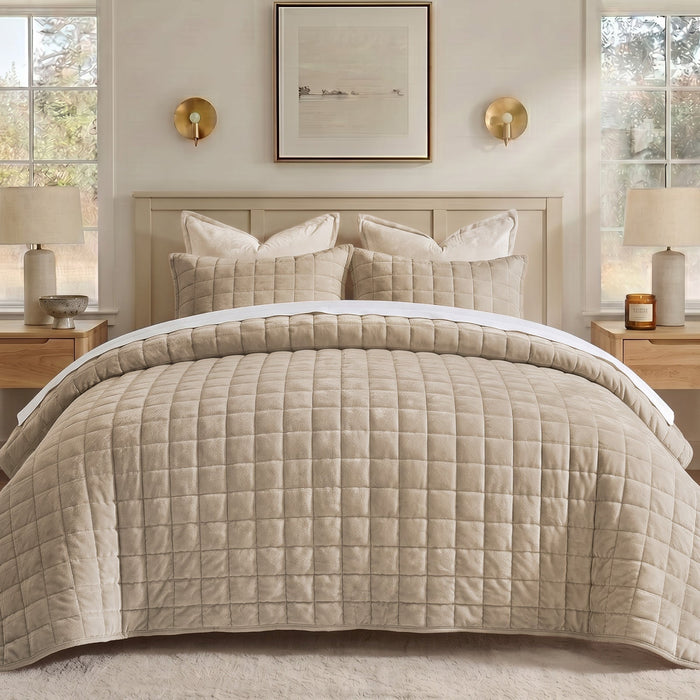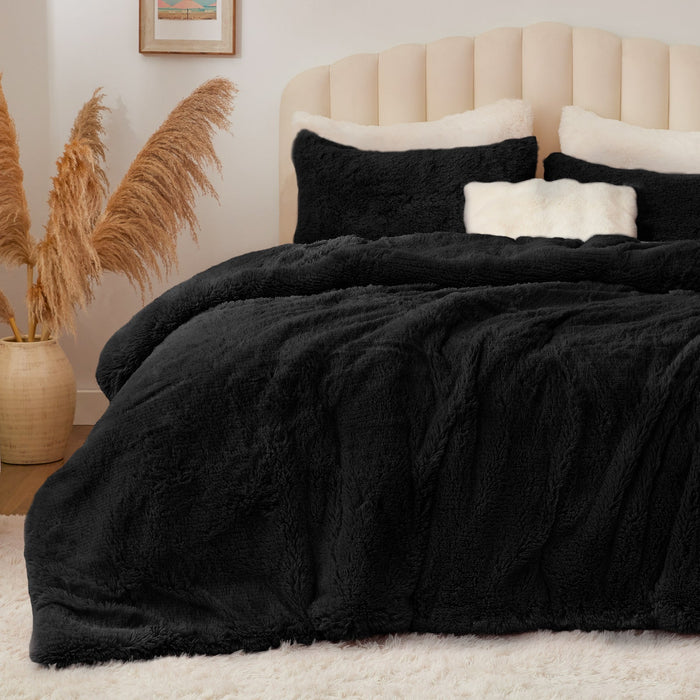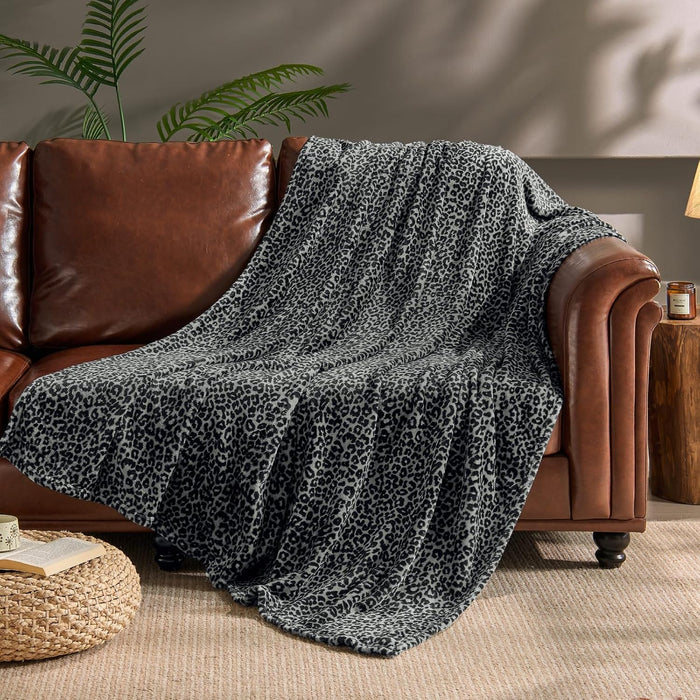

You can sometimes wash sheets with a lightweight blanket, but a bulky comforter usually needs its own load. When washing bed sheets in a washing machine, match items by care label, color, fabric weight, soil level, and cycle. The washer also needs enough free space for movement and balanced spinning. Items that absorb water at very different rates are safer in separate loads.
Quick Takeaways
| Bedding Combination | General Approach | Conditions to Check |
|---|---|---|
| Sheets and matching pillowcases | Usually together | Same fabric care, color group, and soil level |
| Sheets and a lightweight blanket | Sometimes together | Matching cycle and temperature, similar colors, and plenty of drum space |
| Sheets and a duvet cover | Sometimes together | Compatible labels, closed zippers, and a load small enough to move freely |
| Sheets and a comforter | Usually separate | Comforters become bulky and heavy after absorbing water |
| Heavy blanket and comforter | Separate | Their combined wet weight can reduce movement and disrupt spin balance |
Why Sheets, Blankets, and Comforters Behave Differently in the Washer
Sheets are large, light pieces of fabric. They can twist together, wrap around smaller items, or collect on one side of the tub. A fitted sheet can also form a pocket that catches pillowcases.
Blankets vary widely. A thin cotton blanket may behave like a heavy sheet, while fleece, Sherpa, wool, weighted, and electric blankets have different care needs. Their wet weight and drum space also vary.
Comforters have a shell, filling, and internal stitching. Wet fill becomes heavier and can gather in one area during spinning. A dry comforter that appears to fit may leave too little working space after absorbing water.
Water and detergent need to move through the fabric, and the load must spread evenly before spinning. Sheets wrapped around a wet comforter can rinse poorly and settle into one heavy bundle.
Sort Bedding by Care Label, Fabric, Color, and Soil Level
Check every care label before building the load. Purdue Extension notes that specialty bedding may require fabric-specific cleaning instructions, so a shared bed does not guarantee a shared wash cycle.
Compare four details before placing items together:
- Care requirements: Water temperature, cycle, detergent, and drying directions should match.
- Fabric and weight: Similar fabrics move and rinse more evenly together.
- Color: Separate whites, lights, and dark or strongly dyed bedding when needed.
- Soil level: Heavy body oil, pet accidents, mud, or food stains may require a separate load.
The exact label should guide each BEDELITE item. Current bedding care directions call for separate cold, gentle washing for listed sheets and synthetic-fiber comforters, while blanket temperatures can vary with color.
Towels, fuzzy fleece, and other shedding fabrics can leave fibers on smooth sheets. Separating these items helps reduce lint and pilling during routine sheet care.
Check Washer Capacity and Load Balance
Washer capacity depends on usable movement. Bedding should sit loosely enough for water to circulate and the machine to move the load. Never press a comforter tightly into the tub.
Comforter size alone cannot determine machine fit. GE Appliances notes that thickness affects washer fit, so check the washer manual for bulky-item limits and approved cycles.
During spinning, a saturated blanket may collect on one side while sheets form another bundle. The washer may slow, stop, repeat its balancing attempt, or display an error.
If the machine thumps or shakes, pause it according to the owner's manual. Redistribute the bedding after it unlocks and remove part of the load if needed. Repeated problems call for separate loads or a larger machine.
Which Bedding Items Can Sometimes Be Washed Together?
Some combinations work when every requirement lines up. Keep the load small and confirm that the wash and drying instructions match before combining pieces.
Sheets and Pillowcases
Sheets and matching pillowcases usually share a fabric, color, and care label. Decorative shams may have trim or closures that require different handling.
Distribute the pieces loosely and close zippers when the care label directs it. Avoid rolling bedding into a tight ball.
Sheets and Lightweight Blankets
Washing sheets and blankets together may work when the blanket is lightweight, color compatible, and approved for the same cycle. The combined load still needs room after the blanket becomes wet.
Keep fuzzy or strongly textured blankets separate when lint transfer or friction is likely. A blanket with a much longer drying time is easier to manage alone.
Sheets and Duvet Covers
A duvet cover may wash with sheets when their labels match and the load remains loose. Remove the insert, close the cover as directed, and keep smaller items from becoming trapped inside.
Large duvet covers and King sheets can fill a washer quickly. Divide them when the pieces bunch together or occupy most of the drum.

When Blankets and Comforters Need Separate Loads
Bulky bedding often cleans more evenly on its own. Separate loads also make it easier to select the correct cycle and check that each item is fully rinsed and dried.
Comforters and Heavy Blankets
Wash a comforter separately when its label requires it, it fills most of the washer, or it becomes very heavy when wet. Heavy quilts and mattress pads can create the same problem.
Weighted blankets may exceed the washer's limit. Electric bedding and items with foam or water-resistant layers need their own label-approved method, which may involve gentle washing, hand care, or spot cleaning.
Delicate, Shedding, or Heavily Soiled Items
Separate wool, silk, embellished, or heavily brushed bedding when its care differs from ordinary sheets. Keeping lint-producing surfaces apart also protects smooth fabrics.
Use a separate load for heavy stains, pet accidents, or large amounts of hair. Pretreat only with label-approved products, and combine cleaners only when their manufacturers say it is safe.
Build Loads That Move Freely
Combine bedding only when the care labels, colors, fabric weights, soil levels, and wash settings agree. Sheets and pillowcases often work together, while a compatible lightweight blanket or duvet cover may join a small load. Give comforters and heavy blankets their own space so water can circulate and the washer can spin evenly. When the load seems crowded while dry, divide it before adding water.
FAQs about Washing Sheets and Blankets
Q1. Can You Wash Sheets and Blankets Together?
Sometimes. The blanket should be lightweight, machine washable, color compatible, and approved for the same temperature and cycle as the sheets. Wash them separately if the combined load is crowded or the blanket sheds lint.
Q2. Can You Wash a Comforter With Sheets?
It is usually better to wash a comforter by itself. Its filling absorbs water and needs room to move, rinse, and spin without sheets wrapping around it. Follow the comforter's label and your washer's bulky-load instructions.
Q3. How Many Sheets Can You Wash at Once?
The safe amount depends on the washer capacity, sheet size, fabric weight, and model instructions. Load sheets loosely and leave enough room for movement. Divide the load if the bedding is tightly packed or repeatedly gathers on one side.
Q4. Can Washing a Comforter Damage a Washing Machine?
A machine-washable comforter is generally safe when the washer has enough capacity and the load stays balanced. Forcing a bulky or water-heavy comforter into a small machine can cause poor spinning, repeated imbalance, or excess strain. Use a larger machine when the item cannot move freely.
Q5. Which Washer Cycle Should You Use for Bedding?
Use the cycle stated on the bedding label and supported by the washer manual. Sheets may use a normal, gentle, or bedding cycle depending on the fabric, while bulky comforters may require a dedicated bulky cycle. The cycle name alone does not override the item's care directions.
Q6. Why Do Sheets Get Tangled in the Washing Machine?
Their large, flexible shape allows them to twist around one another or wrap around smaller items. Overloading makes tangling more likely because the sheets have less room to separate. Load them loosely, keep the batch moderate, and wash bulky pieces separately.