
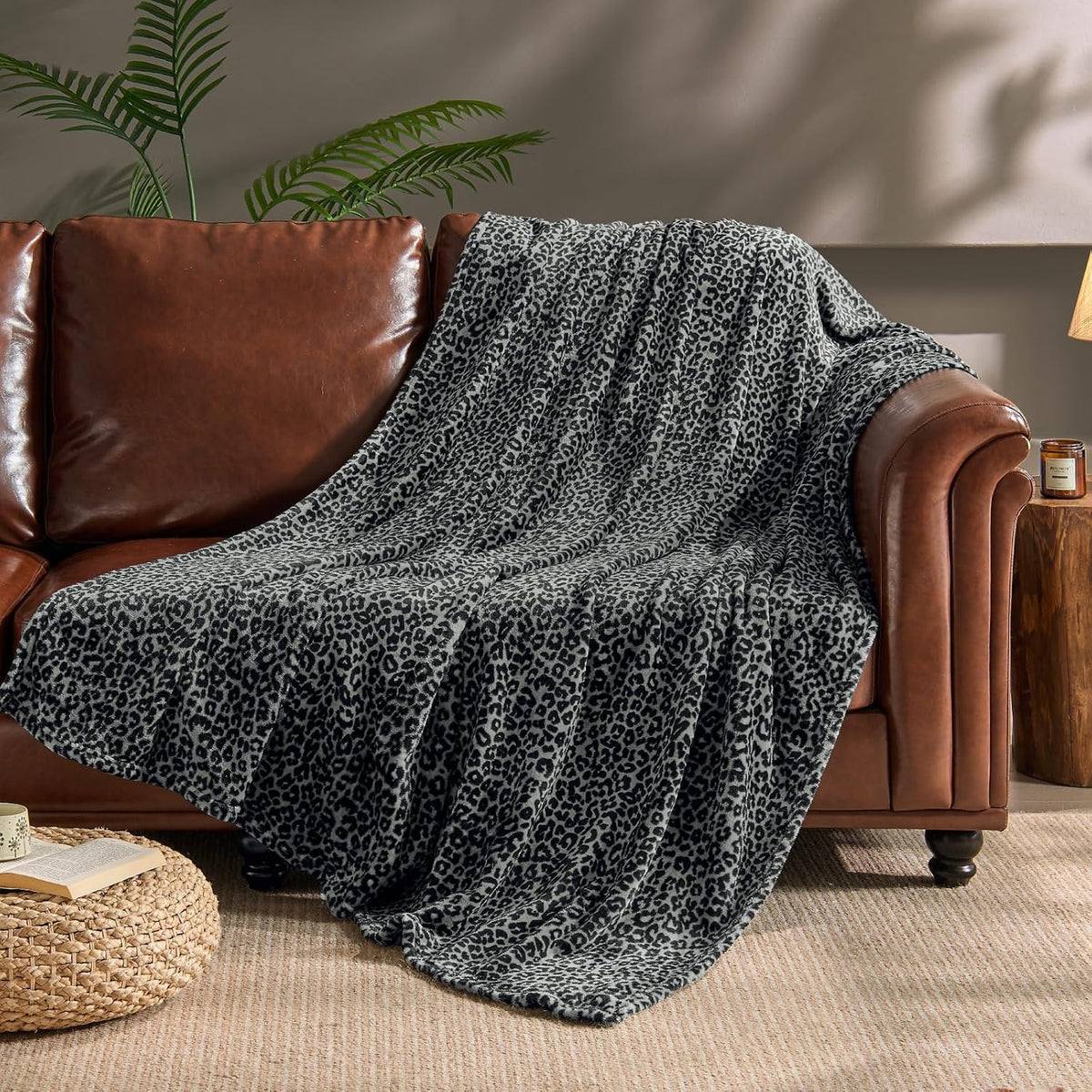
A matted fleece blanket usually loses softness when its raised fibers become compressed, tangled, or coated with laundry residue. Friction, crowded wash loads, strong cycles, and high dryer heat can all change the surface. Light matting can often be improved with gentle brushing or a careful rewash, while the right laundry routine helps the blanket stay plush for longer.
Quick Takeaways
- Fleece loses softness when friction, laundry residue, pressure, or high heat causes its raised fibers to flatten and tangle.
- Light matting can often be improved with gentle brushing or a careful rewash, especially when detergent buildup is involved.
- Matting, pilling, and lint require different treatments, so identify the surface problem before cleaning or grooming the blanket.
- Gentle washing, measured detergent, separate loads, and low-temperature drying help a fleece blanket stay soft and fluffy.
Why Fleece Fibers Become Matted
Most fleece blankets have a knitted base with fibers that are brushed upward to create a soft pile. These raised fibers trap air, add warmth, and produce the familiar fuzzy texture. University of Kentucky fleece-care guidance explains that fleece is commonly made from polyester and has a napped surface that requires gentle laundering.
Daily use gradually presses parts of the pile together. Sitting or sleeping on the blanket, rubbing it against a couch, and folding it tightly can create flattened areas. Body oils, spills, pet hair, and skin-care products may also cause neighboring fibers to stick together.
Laundry adds another source of friction. Towels, jeans, zippers, hooks, and rough garments can rub against the fleece throughout the wash and dry cycles. A crowded washer gives the blanket less room to move and rinse, leaving the pile compressed in folds.
Detergent residue can make the surface feel stiff even when the fibers are still in good condition. This often happens when too much detergent is used, the washer is overloaded, or the rinse is incomplete. Fabric softener may also leave a coating that weighs down the raised pile.
Product names can vary, so check the fiber label before choosing a care method. A flannel throw blanket may be made from cotton flannel or polyester flannel fleece. The restoration steps in this article are intended for washable polyester fleece unless the care label provides different directions.
Matting, Pilling, and Lint Are Different Problems
A fuzzy surface does not always mean that the blanket is matted. Look closely and run your hand lightly over the fabric before selecting a cleaning or grooming method.
| Surface Problem | What It Looks or Feels Like | Common Cause | Best First Step |
|---|---|---|---|
| Matting | Flat, stiff, or clumped areas where the pile no longer stands up | Pressure, friction, residue, or excess heat | Gently separate the pile with a soft brush |
| Pilling | Small balls of tangled fibers that remain attached | Repeated rubbing during use, washing, or drying | Test a fabric-safe pill remover on a hidden area |
| Lint | Loose fuzz, hair, threads, or debris resting on the surface | Mixed laundry loads, static, tissues, or pet hair | Use a lint roller or soft clothing brush |
| Detergent buildup | A generally stiff or coated feel without clear clumps | Excess detergent or incomplete rinsing | Rewash with the correct detergent amount and an extra rinse |
Matting affects a wider section of the raised pile, while pills are small tangles attached to the blanket. Lint usually lifts away without cutting or pulling any fibers. The same surface test used in our lint and pilling guide can help you avoid using an overly aggressive tool on loose debris.
How to Loosen a Matted Fleece Surface Safely
Early matting usually responds better than a surface that has been repeatedly exposed to high heat. Start with the least abrasive method and work on a small section at a time.
Check the Label and Test the Surface
Read the care label before adding water, detergent, or any laundry treatment. Some blankets combine fleece with Sherpa, faux fur, decorative trim, or another backing that requires different care.
Work with a clean, dry blanket whenever possible. Place it on a flat surface under good lighting and test a hidden corner first. If the material sheds heavily, stretches, or looks thinner after brushing, stop and use a gentler method.
Brush Small Sections Gently
Hold the fabric flat without pulling it tight. Use a soft clothing brush or another soft-bristled brush, then make short strokes in the natural direction of the pile. Light pressure is usually enough to separate compressed fibers.
Shake out the blanket after brushing a section and check the texture with your hand. Repeat only where needed. Stiff wire brushes, disposable razors, rough sponges, and hard scraping can pull fibers from the knitted base and create thin areas.
For longer, plush fleece, use extra care around seams and edges. These areas may have less room for the pile to move and can catch more easily than the center of the blanket.
Rewash When Residue Is the Likely Cause
A rewash may help when the blanket feels coated or stiff across most of its surface. Wash it alone or with similar lightweight fleece, following the water temperature and cycle stated on the label. Use the correct amount of detergent for the load and select an extra rinse if your machine offers one.
Adding more detergent rarely improves a residue problem. Avoid unlisted conditioners, hair products, or homemade mixtures because they may leave another coating or affect the color. Allow the blanket to dry correctly before deciding whether it needs light brushing.

Washing Habits That Help Preserve Softness
A low-friction wash routine protects the raised surface and reduces the need for restoration. The Kansas State University laundering guide recommends shorter wash periods and slower speeds when abrasion may cause pilling.
Use these habits for washable polyester fleece:
- Check the care label before every first wash.
- Wash fleece separately or with similar soft, lightweight items.
- Keep towels, jeans, exposed zippers, hooks, and hook-and-loop fasteners out of the load.
- Leave enough space for the blanket to move and rinse instead of packing the washer tightly.
- Select a gentle, delicate, or appropriate synthetic cycle.
- Measure detergent according to the product directions and load size.
- Skip bleach and fabric softener when the blanket label advises against them.
- Treat small spills promptly so the entire blanket does not need unnecessary washing.
- Clean the washer drum if it contains visible lint or detergent buildup.
These steps match the care routine for our plush fleece throw blanket. Its double-sided brushed surface is made from 100% polyester fleece, with care instructions that call for a cold gentle wash, no bleach or fabric softener, and low-heat tumble drying.
How Drying Heat Affects Fleece Texture
Drying temperature can have a major effect on polyester fleece. Low heat gives water time to leave the fabric without exposing the raised surface to unnecessary stress. High heat may press the pile flat, make fiber tips feel rough, or set existing tangles more firmly.
If the label allows machine drying, select low heat or an air-only cycle. Give the blanket room to tumble, clean the lint screen, and remove the blanket as soon as it is dry. Extended tumbling adds friction even after the moisture is gone.
Air drying is another gentle option. Spread the blanket over a drying rack or several clean lines so its wet weight is supported. Make sure it dries fully before folding or storing it because moisture trapped inside thick folds can create odors.
Shake the dry blanket several times to help separate the pile. Light brushing can lift remaining flat areas. Keep polyester fleece away from hot irons, heated radiators, and other concentrated heat sources that may affect the raised fibers.
Keep Fleece Soft With a Lower-Friction Routine
Fleece responds best to simple care: enough washer space, a gentle cycle, the correct amount of detergent, and low drying heat. When the texture begins to flatten, identify the surface problem first and use light brushing only where needed. Early care takes less effort and helps a favorite blanket retain its comfortable feel through regular couch, bed, or travel use.
FAQs about Fleece Blanket Care
Q1. Can You Make a Matted Fleece Blanket Soft Again?
Light or moderate matting can often be loosened with careful brushing and a gentle rewash when residue is present. Work on a hidden area first and use a soft brush with minimal pressure. A surface that has been exposed to repeated high heat may improve only partly.
Q2. Why Does My Fleece Blanket Feel Rough After Washing?
The blanket may contain detergent residue, or its raised fibers may have been compressed by friction and heat. Crowded loads, strong cycles, rough laundry items, fabric softener, and extended drying can all contribute. Check the label before rewashing or brushing the surface.
Q3. Can You Brush a Fleece Blanket?
Yes, many polyester fleece blankets can be brushed gently with a soft clothing brush. Place the dry blanket on a flat surface, test a hidden area, and use short strokes in the direction of the pile. Stop if the fabric begins shedding or stretching.
Q4. Can a Fleece Blanket Go in the Dryer?
Many polyester fleece blankets can be tumble-dried on low heat, although the care label should make the final decision. Remove the blanket promptly once it is dry and shake it out to help lift the pile. Avoid high heat and unnecessary extra drying time.
Q5. Should You Use Fabric Softener on Fleece?
Fabric softener is usually unnecessary for polyester fleece and may leave a coating on the raised fibers. That coating can make the pile feel heavier or less fluffy. Follow the blanket label and use the recommended amount of detergent instead.
Q6. How Do You Remove Pills From a Fleece Blanket?
Lay the clean, dry blanket on a firm surface and test a fabric shaver on a hidden area using its gentlest setting. Keep the material smooth and avoid pressing into the knitted base. A lint roller removes loose fuzz but usually cannot remove pills that remain attached.